



Loew denies finalizing coaching Ghana, one last spot remains for World Cup's 48-team head coaches


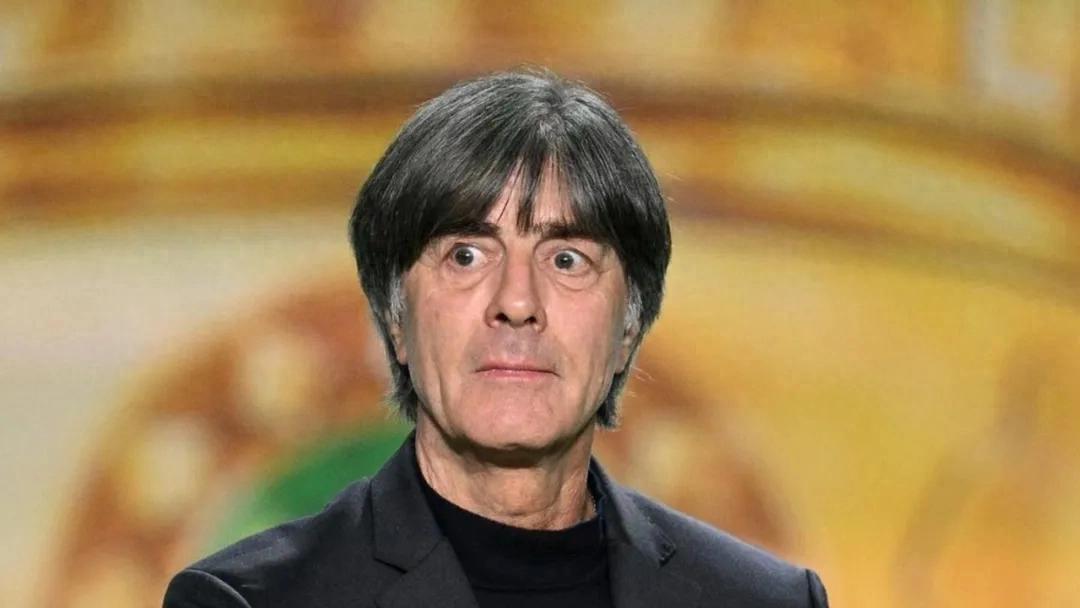
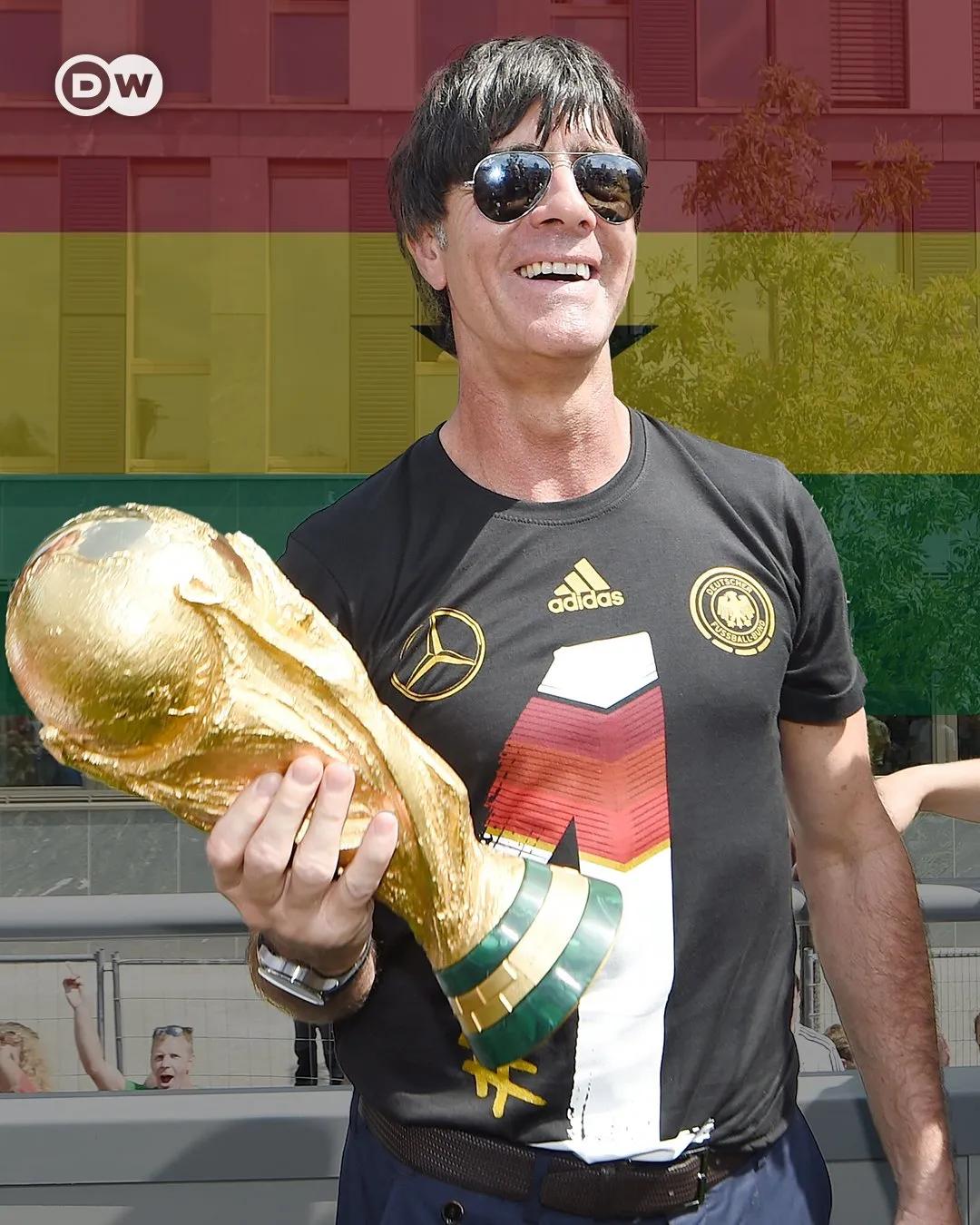
Written by Han Bing The March World Cup qualifying playoffs concluded, with all 48 participating teams confirmed, but there is still competition for coaches leading teams to the World Cup. Due to a 1-5 defeat to Austria and a 1-2 loss to Germany in March friendly matches, Ghana's football association fired head coach Addo just 72 days before the World Cup kickoff. On April 3, local Ghanaian media widely reported that Ghana's football association was close to reaching a coaching agreement with renowned German coach Joachim Loew. After eight years, could global fans see German coach Loew and his signature gestures at the World Cup again? Unfortunately, less than a day after the news emerged, Loew personally clarified that he had not contacted Ghana's football association. However, this also means the final World Cup coaching position remains open to the world.
After the 2021 European Championship, Loew left his role as Germany's head coach and has been inactive since. During this period, he received numerous invitations from clubs and associations but declined them all. Uzbekistan, which had already qualified, invited Loew last year but received no response. Earlier this year, Loew expressed interest in returning to coaching to the media. Ghanaian media reported Ghana's football association offered Loew a short-term contract with a monthly salary of $150,000, lasting until Ghana's World Cup journey ends. Unexpectedly, Ghanaian fans were disappointed, and Loew's signature gestures will not reappear at this summer's USA-Canada-Mexico World Cup.
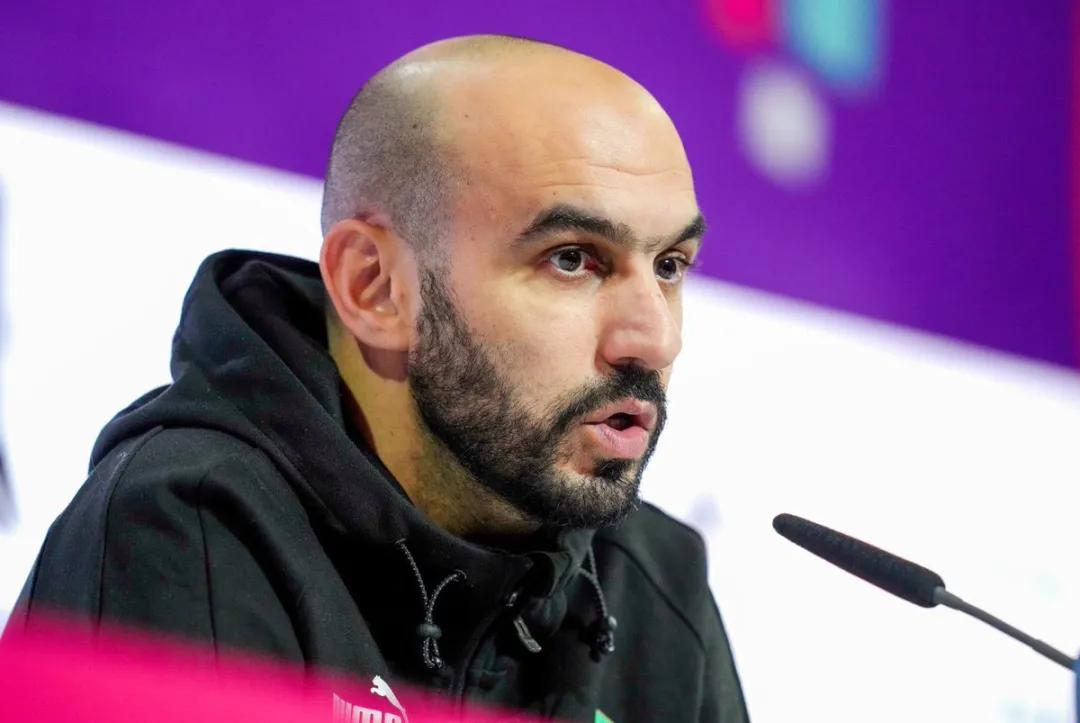
Ghana has participated in four previous World Cups: in 2006 and 2010, Serbian coaches Dušković and Rajevac led the team to group stage advancement; in 2014 and 2022, local coaches Appiah and Addo coached, both ending at the group stage. This coaching selection prioritizes foreign coaches; Loew was originally the top candidate, but now, former Morocco coach Regragui, who left after this year's Africa Cup, has become the new favorite.
Originally after March's international matches, there were more than one World Cup coaching vacancies. Saudi Arabia also suffered consecutive defeats in friendlies, especially a 0-4 home loss to Egypt without Salah, putting French coach Renard's position at risk. Moroccan media once reported former Jordan coach Amouta would replace Renard, but on April 4, Saudi media confirmed Saudi Arabia's football association decided to continue trusting Renard. Previously, Saudi Arabia changed coaches just before the World Cup three times consecutively (1998: Pereira, Brazil; 2006: Paqueta, Brazil; 2018: Pizzi, Argentina), with very poor results; this time they likely learned from past lessons.
For this World Cup's 48 teams, 47 coaches are confirmed; Argentina and France have the most coaches (6 each). Besides Scaloni (Argentina), there are Pochettino (USA), Bielsa (Uruguay), Lorenzo (Colombia), Becaccece (Ecuador), and Alfaro (Paraguay). Among South America's six qualified teams, except Brazil, all are coached by Argentine coaches.
Besides Deschamps (France), Belgium, Saudi Arabia, Tunisia, Democratic Congo, and Haiti's head coaches are French. There are four Spanish coaches: De la Fuente (Spain), Martínez (Portugal), Lopetegui (Qatar), and Christiansen (Panama). Christiansen is of mixed Spanish and Danish heritage raised in Denmark, played for Barcelona, Villarreal, etc., naturalized as Spanish in 1992, and played two matches for Spain's national team.
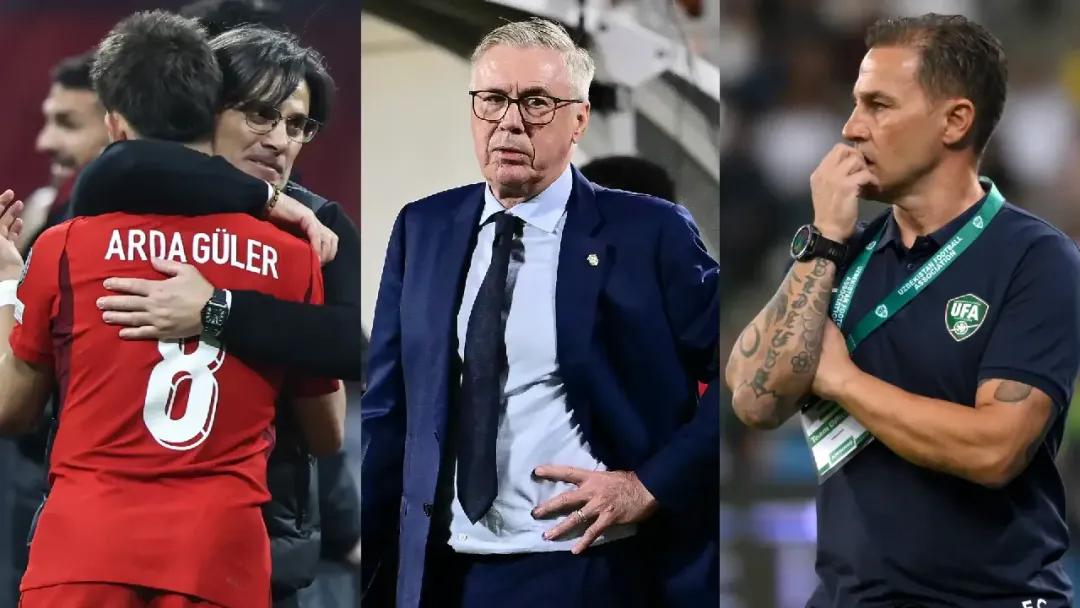
Italy missed the World Cup but has three coaches participating: Ancelotti (Brazil), Montella (Turkey), and Cannavaro (Uzbekistan). Germany also has three: Nagelsmann (Germany), Tuchel (England), and Rangnick (Austria). England's team is led by a German foreign coach, but two English coaches participate in the World Cup: Potter (Sweden) and Bazley (New Zealand). Additionally, Netherlands, Morocco, and Australia each have two coaches competing at the World Cup.
Among the 47 teams with confirmed coaches, 22 are led by local coaches, and 25 by foreign coaches. France's Deschamps has the longest tenure, nearing 14 years by this summer's World Cup. Those appointed in 2026 include Rutten (Curaçao), Ouahabi (Morocco), and, of course, Ghana's soon-to-be-decided new coach, who will have the shortest tenure. Including three host nation coaches and Cannavaro (Uzbekistan), seven coaches were appointed after their teams qualified.
Who will secure the final World Cup coaching position will soon be revealed.


Wonderfulshortvideo
tottenham relegation tottenham relegated


Ganglion cyst removed
max dowman highlights today max downman vs mansfield town arsenal 2-1 mansfield town
User SportScoop has posted a video.
scott mctominay aura scott mctominay pictures mctominay edit
yamal goal today yamal highlights today yamal instagram story yamal ig barceona 1-0 athletic club
How many of the current England squad could reach 100 caps?
 Links
Links
 Contact
Address:UNIT 1804 SOUTH BANK TOWER, 55 UPPER GROUND,LONDON ENGLAND SE1 9E
Number:+85259695367
E-mali:[email protected]
 App
App


