



Only when the whole province acts as one, can the entire nation act as one.


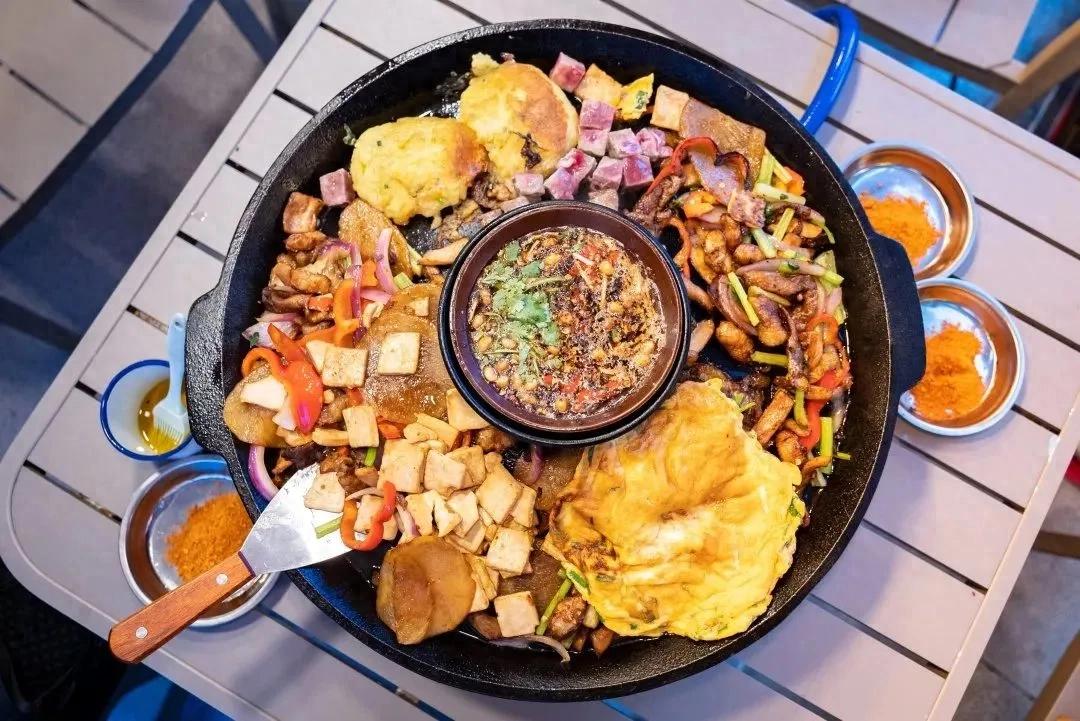
By Liu Xiaoxin Who knows about Guizhou's "Luoguo"?
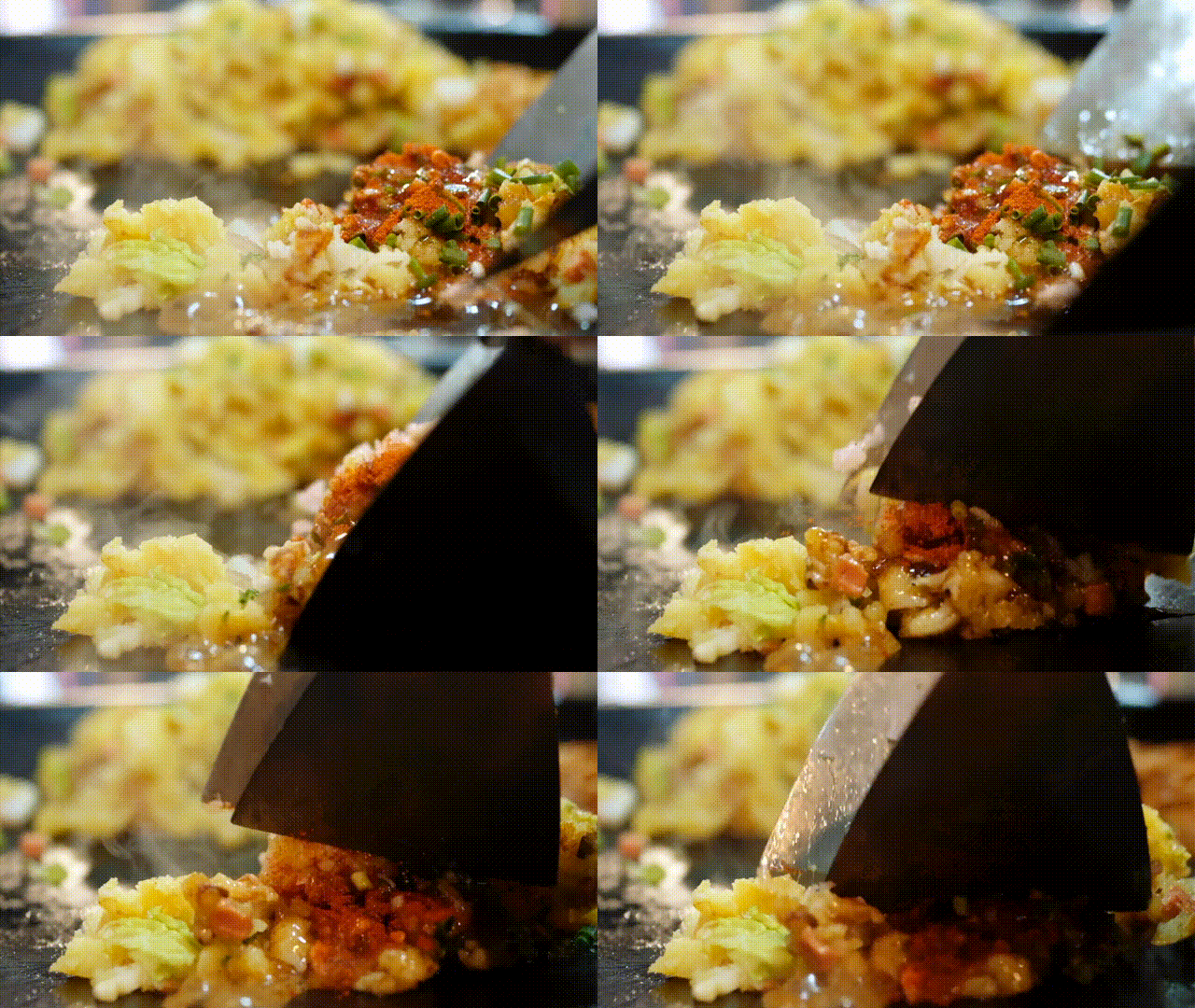
In fact, Luoguo, now found on every food street in Guizhou, is an old tradition with over 300 years of history. According to the "Shuicheng Ting Zhi," it originated in 1664 when Prince Pingxi Wu Sangui led troops to suppress the Shuixi Yi people. Starving soldiers took roof tiles to set up fires to grill wild vegetables and game, sparking the idea. By the late Qing Dynasty, it gradually evolved into a black clay Luoguo with a raised center and concave edges to facilitate oil drainage, allowing it to be passed down to this day.
However, in the words of Ma Lei, Director of the Guizhou Provincial Sports Bureau and former Director of the Guizhou Provincial Commerce Department, this ordinary item becomes a matter of great refinement. A simple Luoguo carries historical沉淀 and cultural传承, making it a rooted, soulful concept. Returning to reality, this "everything can be烙" pot competes with the most原始生态食材 from Guizhou's mountains and fields. Behind the食材 lies the larger topic of agricultural product种植,培育, and供应. Going even broader, promoting标杆特色 in the餐饮行业 ultimately aims to address人力资源 and create用工平台.
According to Ma Lei, the Commerce Department's meetings back then were not about whether to vigorously promote Guizhou Luoguo, but rather, under the premise of如何加快推动 Guizhou商务开发全面布局, realizing that Guizhou Luoguo absolutely qualifies as a切入点 with a very high综合指数. In other words,体系化的思维,加上符合既定体系化方向的抓手和推手, constitutes the底层逻辑 for the development of many matters and industries.
This is a simple道理.
We are not certain whether the transfer of the Commerce Department Director to the Sports Bureau Director was a意味深长、降维打击的安排. However, we believe that when Ma Lei began considering如何大力发展 Guizhou足球, he must第一时间 recalled that meeting about promoting Guizhou Luoguo. In an era举全国之力发展足球, Ma Lei, who is绝对算不上专业 in football, must think清楚 the问题 and see明白 the方向, just as he did当年, to know what棋 he intends to play.
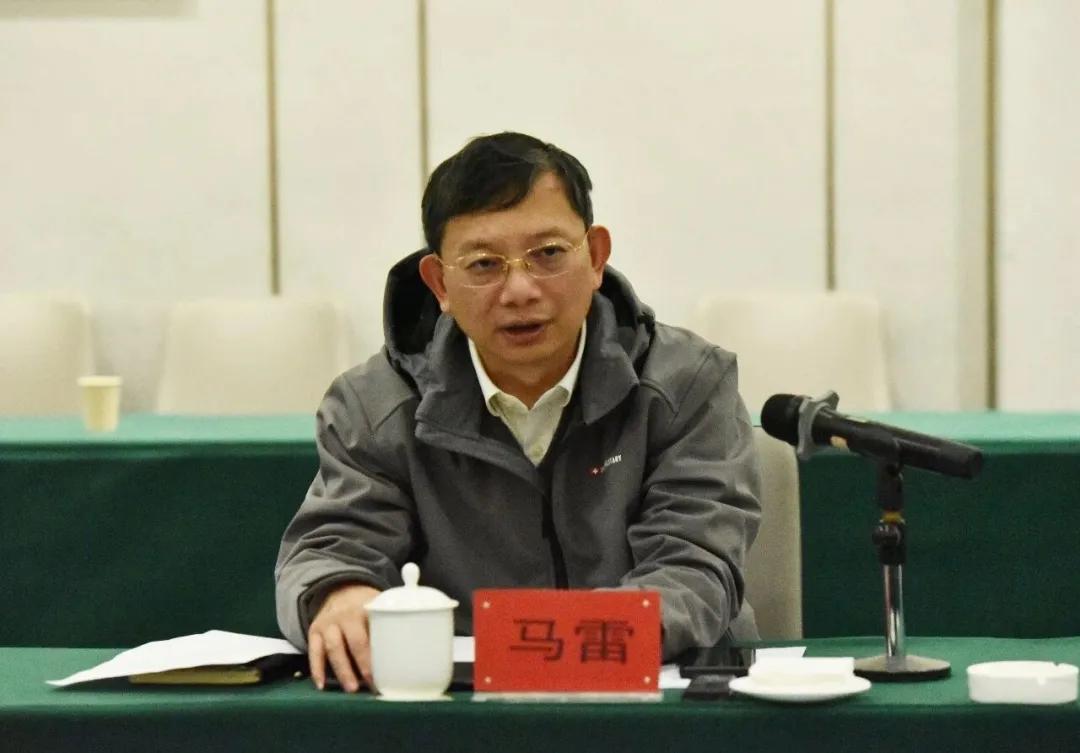
▲Ma Lei, Director of the Guizhou Provincial Sports Bureau
Whether in historical底蕴,竞技成绩, or人才厚度, Guizhou足球 hardly ranks nationally. Yet what repeatedly draws our attention is precisely their体系化建设的思维 and the初步展现的全省一盘棋局面. This, perhaps, is what many政策制定者和执行者 in Chinese football need to ponder in the new历史时期: how to宏观布局, how to单刀直入?
The棋 of Guizhou football is actually not difficult to拆解.
The first move: establishing the core framework of "one main, four辅助" comprising Bijie, Zunyi, Guiyang, Qiannan, and Qianxinan. These five cities相当于 the棋's four "星位" and one "天元," stabilizing the entire根基. Compared to the全国足球18个重点城市, these are Guizhou's five足球发展重点城市. Bijie football was previously almost零基础, but occupying the "天元" position is无可厚非. As one of six西部试点城市 nationally, it恰恰 proves football in China is not merely a竞技项目; its政策意义吻合 with国家区域发展战略 also凸显 football's社会价值.
The second move: gradually establishing a赛事体系 centered on夏季连赛,冬训冬赛,春赛, and future长假赛事, featuring集中训练,集中比赛,集中选拔.
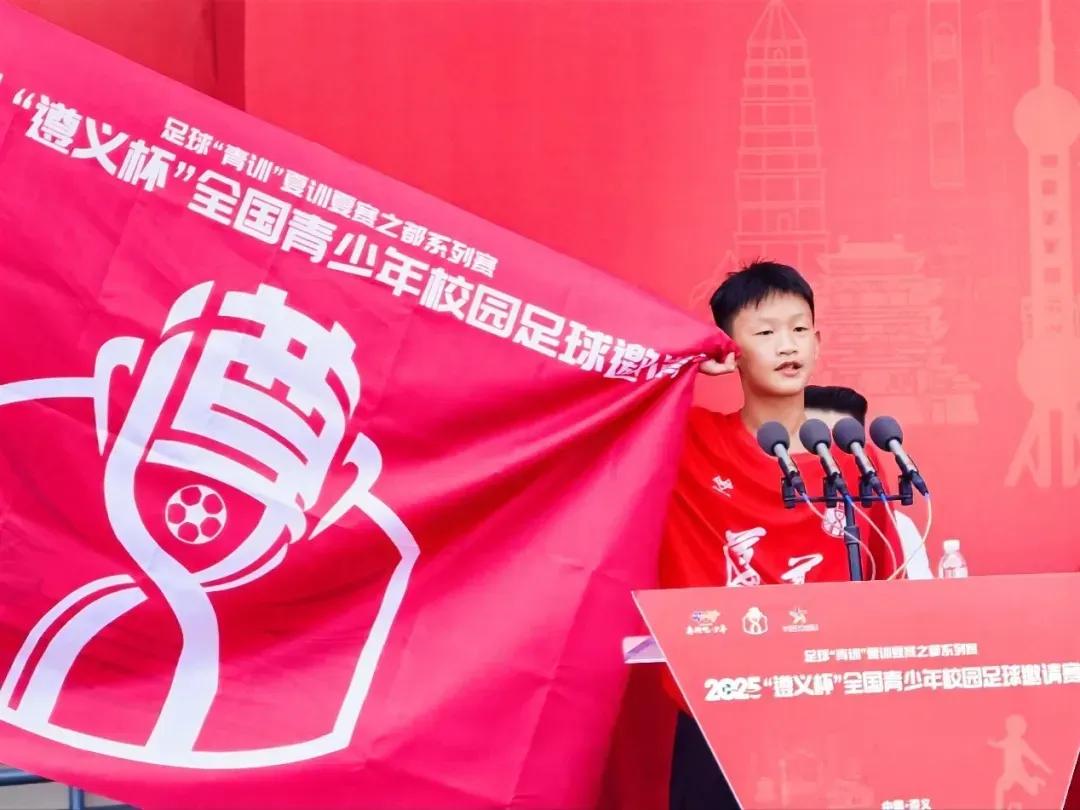
The third move: establishing an精英选拔和培训体系 centered on a Korean coaching team. From last June to March 31st when the Korean team arrived, this was undoubtedly a漫长的、审慎的过程. Can the Korean football youth training model be移植? Can Korean football's先进经验 be借鉴? Is this the最适合贵州足球的选择? Everything can only be proven by the future; behind every选择, we can only尽可能多地 find理由 for our选择. However, technical director Wu Zhupu, who played in China's甲A, coached清华附中, and participated in professional青训, watched two days of春赛后 and already formed a初步认识 of his role: they are not here to coach one team, but are the全省的总监团队. They must系统地下到 the基层 centered on "one main, four辅助" to带训,带赛,建立标准,选拔精英,建立球员档案, and on the basis of反复更新,打造 the best精英人才 for Guizhou. For Guizhou football, they might be that Luoguo集合了最多可能性.
This棋 is not费解, even完全算不上有什么奇招、怪招、险招. "One main, four辅助"意味着聚焦,以点带面; the赛事体系意味着层层选拔,以赛代练; the Korean team意味着标准的建立和实施,以人为本. Because all步骤 have only one终极目的:选好人才,练好人才,用好人才. So-called传统 never brought成功经验 to Chinese football. Guizhou football perhaps lacks much可资借鉴的传统, but恰恰如同一张白纸,新建 often比在废墟上的重建来得直接得多.
The Guizhou Provincial Sports Bureau on floors 7-9 of the鑫都财富大厦 in Yunyan District, Guiyang, is becoming the中枢神经 for Guizhou football's entire发展.毫不夸张地说, this might be one province where the省体育局和省足协 exert the最大主导作用和推动作用 on省域内足球发展 among全国绝大多数省份. We从不否认足球属于城市, because this is足球文化, the归属感和底层逻辑 of world football成长于社区、根植于城市. However, China's举国体制 in sports takes provinces as承上启下的核心机构, with the省体育局 as the核心协调、管理部门体系. Even after目标明确的奥运战略, it is a新型举国体制更多兼顾市场和社会.
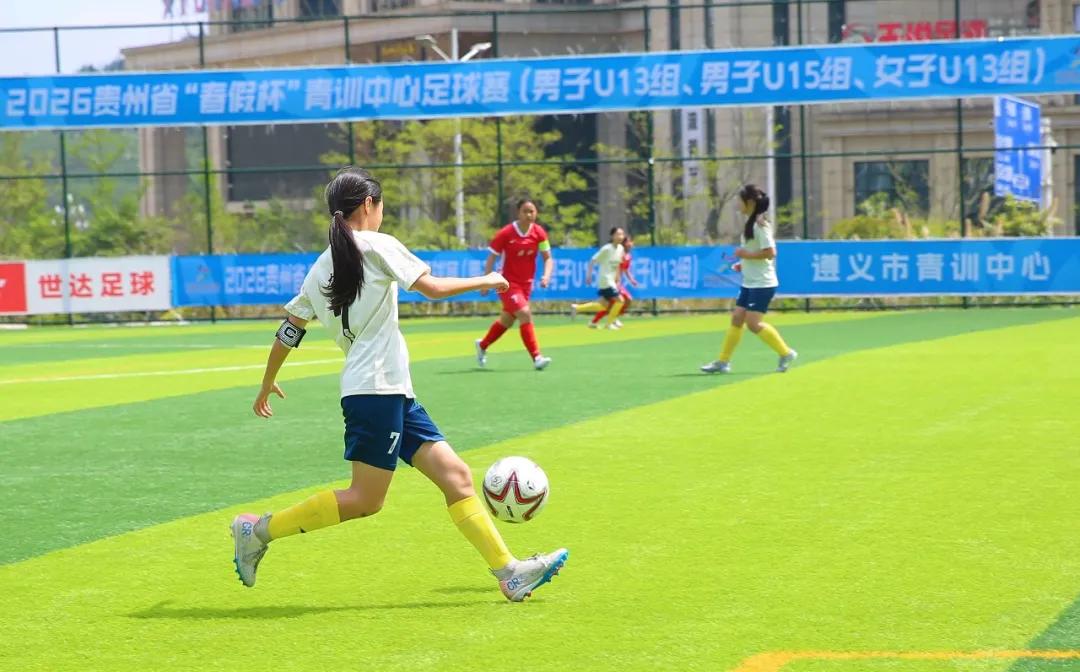
Past误读 of城市足球, and the客观事实 of football长期被奥运战略边缘化,在很大程度上造成 many地方 having省与市之间相互抵触 or貌合神离 in足球发展. But实际上,以城市为依托、为承载 is具体的落地;以省为协调、为布局 is宏观的整合. These should originally be毫不对立的概念符合中国实际情况. The体育局或教体局局长 of "one main, four辅助" never worry about Ma Lei抢人、抢功, but主动参与 in全省大练兵、大选拔, proving this棋 has越下越顺的可能.
加快重塑足球青训体系 is the指导方向 for Chinese football青少年发展.究其根本, it means抓住五级青训中心的主干作用,向下延伸,向上生长. Many至今都没搞清楚足球重点城市与五级青训中心的概念, thinking they are两套体系,两张皮.而实际上,重点城市 are突破口,是点;五级青训中心 are结构,是面. Only when突破口融入整体结构,点服从于面, can this棋下得顺畅.左右互搏 at any层面 will造成主干工程的血管堵塞. The举国体制's成功 in奥运战略早就打通了从上至下的关节, a问题游离于中国体育主旋律之外的足球人 must思考.
This is also the现实命题 Guizhou football provides for Chinese football during its体系化建设过程: to achieve全国一盘棋,必须先得全省一盘棋.换个顺序说说, only when the whole province acts as one, can the entire nation act as one.


Wonderfulshortvideo
tottenham relegation tottenham relegated


Ganglion cyst removed
max dowman highlights today max downman vs mansfield town arsenal 2-1 mansfield town
User SportScoop has posted a video.
scott mctominay aura scott mctominay pictures mctominay edit
yamal goal today yamal highlights today yamal instagram story yamal ig barceona 1-0 athletic club
How many of the current England squad could reach 100 caps?
 Links
Links
 Contact
Address:UNIT 1804 SOUTH BANK TOWER, 55 UPPER GROUND,LONDON ENGLAND SE1 9E
Number:+85259695367
E-mali:[email protected]
 App
App


