



Liverpool may need to "rebuild from scratch"



Previously emblematic of stability and fortitude during Jurgen Klopp's era, Liverpool currently confronts one of the most unstable phases it has experienced in many years.
1. Liverpool's decline stems not from a single cause, but from the accumulation of multiple factors. Under Arne Slot, the team was expected to transition toward a more controlled and flexible style of play. However, this transition process has lacked coherence.
Liverpool no longer maintains the pressing intensity that once helped them dominate the Premier League and make an impact in the UEFA Champions League. Instead, their performance lacks balance: the defense frequently exposes gaps, the midfield fails to control the tempo, and the attack relies too heavily on individual moments.
Heavy defeats against direct rivals like Manchester City reveal a widening gap in quality. Notably, Liverpool not only loses in scoreline but also falls short in match organization—from ball control to transitional ability.
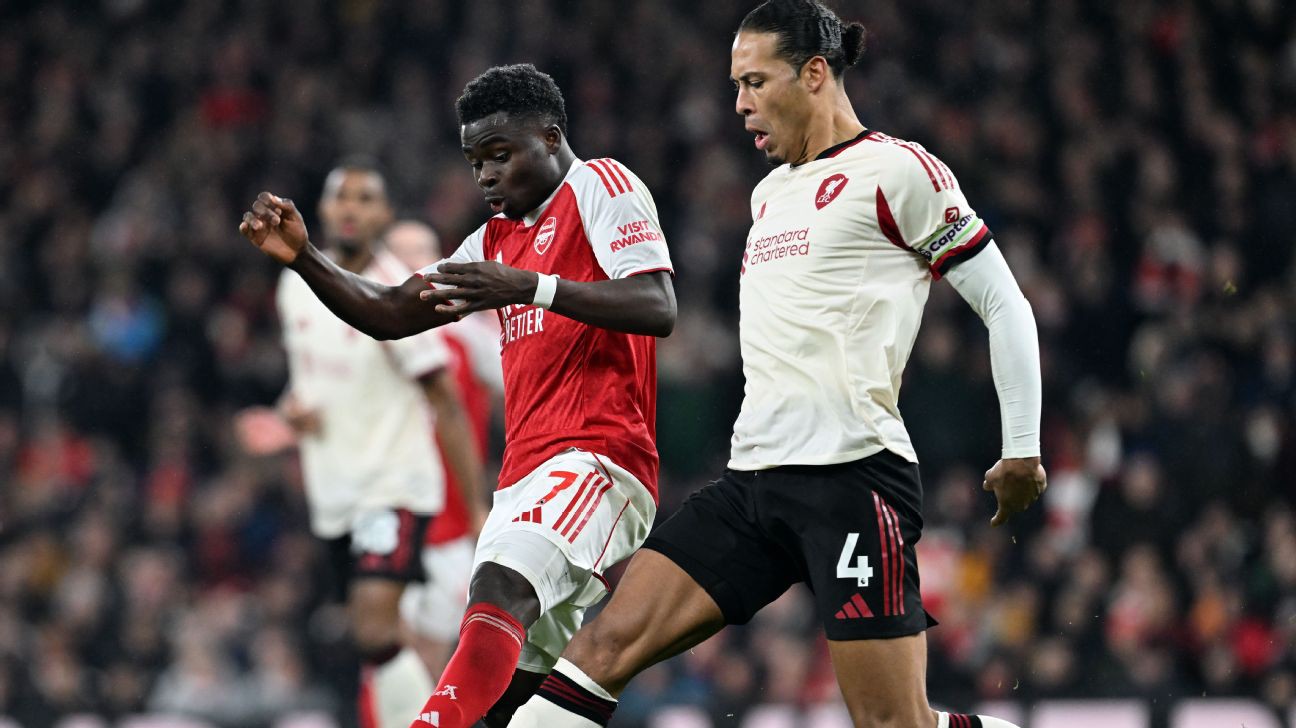
On an individual level, the decline of key players is undeniable. Van Dijk no longer maintains the stability of his peak period, while Salah, despite still contributing goals, has seen a significant drop in performance compared to before. When the main pillars no longer perform at their highest level, the entire system becomes more fragile.
2. One of Liverpool's biggest challenges is the future of its core players. Mohamed Salah remains a top star in both commercial and professional value, but he has entered the final stage of his peak career. And in fact, one of Liverpool's finest players in history has confirmed he will leave the club at the end of the season.
Similarly, Virgil van Dijk is no longer the impregnable "steel wall." Whether to retain a center-back past his peak or proactively seek a replacement is a difficult dilemma for the club's leadership.
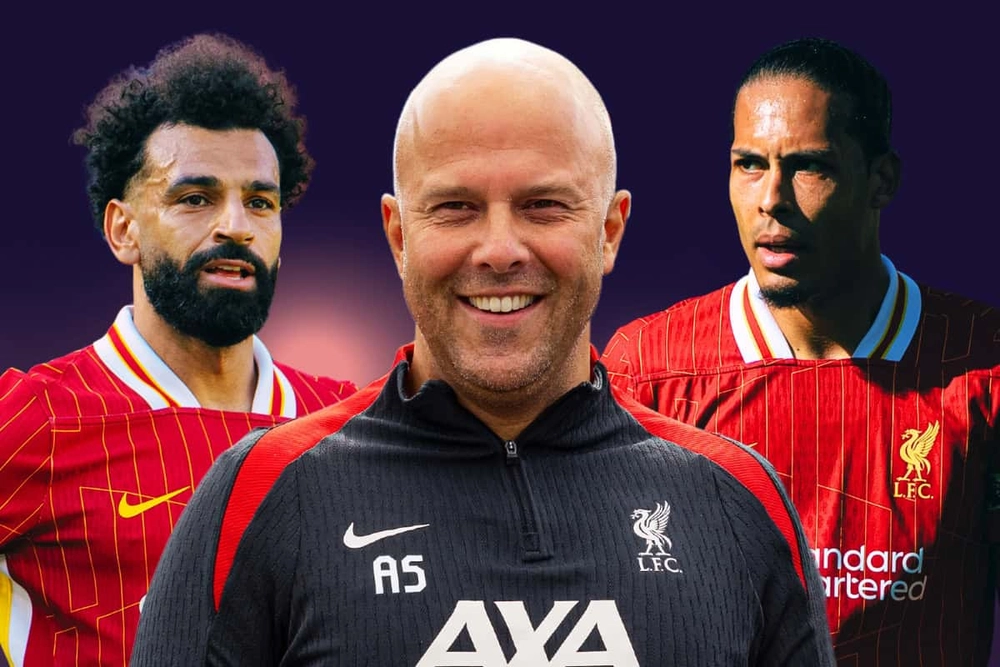
Anfield may witness a major overhaul next season
More importantly, Liverpool currently lacks convincing succession plans. Young players given opportunities have not shown the necessary consistency to shoulder major roles. This leaves the club in a transitional limbo: old pillars gradually decline while the next generation is not yet mature enough.
From a strategic perspective, parting with stars like Salah or Van Dijk could bring significant financial resources. However, that also means Liverpool faces substantial risks in both performance and identity. These players contribute not only on the pitch but also symbolize a successful era for the club.
3. Pressure extends beyond the dressing room to the coaching bench. Arne Slot was chosen to succeed Klopp with expectations of maintaining competitiveness, but reality shows he is still struggling to establish a suitable playing style.
If Liverpool continues to decline and fails to meet its targets, a change in manager is entirely possible. In modern football, top clubs rarely show patience if results fall short of expectations, especially when the team is in a crucial transitional phase.
Whether Slot stays or leaves, Liverpool will still enter a decisive transfer window. The need to upgrade the squad is evident: a top-class center-back to replace or support Van Dijk, a midfielder capable of control and creativity, and a forward capable of replacing Salah.
This is no longer about filling individual positions piecemeal, but about a systematic reconstruction. Liverpool requires a clear strategy—from defining a playing philosophy to selecting suitable personnel. That implies they will have to make substantial investments, something the club has not always been ready to do in the past.
In a context where rivals like Manchester City and other financially powerful clubs continuously strengthen their squads, delays in reconstruction could leave Liverpool lagging even further behind.


Wonderfulshortvideo
tottenham relegation tottenham relegated


Ganglion cyst removed
max dowman highlights today max downman vs mansfield town arsenal 2-1 mansfield town
User SportScoop has posted a video.
scott mctominay aura scott mctominay pictures mctominay edit
yamal goal today yamal highlights today yamal instagram story yamal ig barceona 1-0 athletic club
How many of the current England squad could reach 100 caps?
 Links
Links
 Contact
Address:UNIT 1804 SOUTH BANK TOWER, 55 UPPER GROUND,LONDON ENGLAND SE1 9E
Number:+85259695367
E-mali:[email protected]
 App
App


