



How can relocated entities establish themselves in new locations? Three key points need to be implemented.




Journalist Wang Wei reports. The second-tier football club Jiangxi Black Horse Youth, after moving from Jiangxi Province to Wenzhou City in Zhejiang Province, faced a survival crisis in its second year. Even with substantial support from the Wenzhou Sports Bureau and the Ouhai District Government regarding event organization and accommodation, Wenzhou FC continues to struggle to maintain its existence.
Looking at the history of professional football clubs relocating, it is often a tale of hardship. Many well-known professional teams have disappeared after moving to new cities. Examples from the past include Guangdong Hongyuan moving to Qingdao, Shanghai International relocating to Xi'an, Guizhou, and Beijing, and Shenyang Sea Lion moving to Changsha, Shenzhen, and Guangzhou. More recent cases include Shijiazhuang Yongchang moving to Cangzhou, and the second-tier club Haikou Mingcheng, which relocated to Kunming in early 2025 and became Kunming City Star. Ultimately, these teams have all exited the professional football scene.
These precedents indicate that for a professional football club to achieve sustainable development, besides enhancing its own revenue-generating capabilities and improving internal operations, the most crucial factor is whether the local government can provide practical and feasible supportive policies.
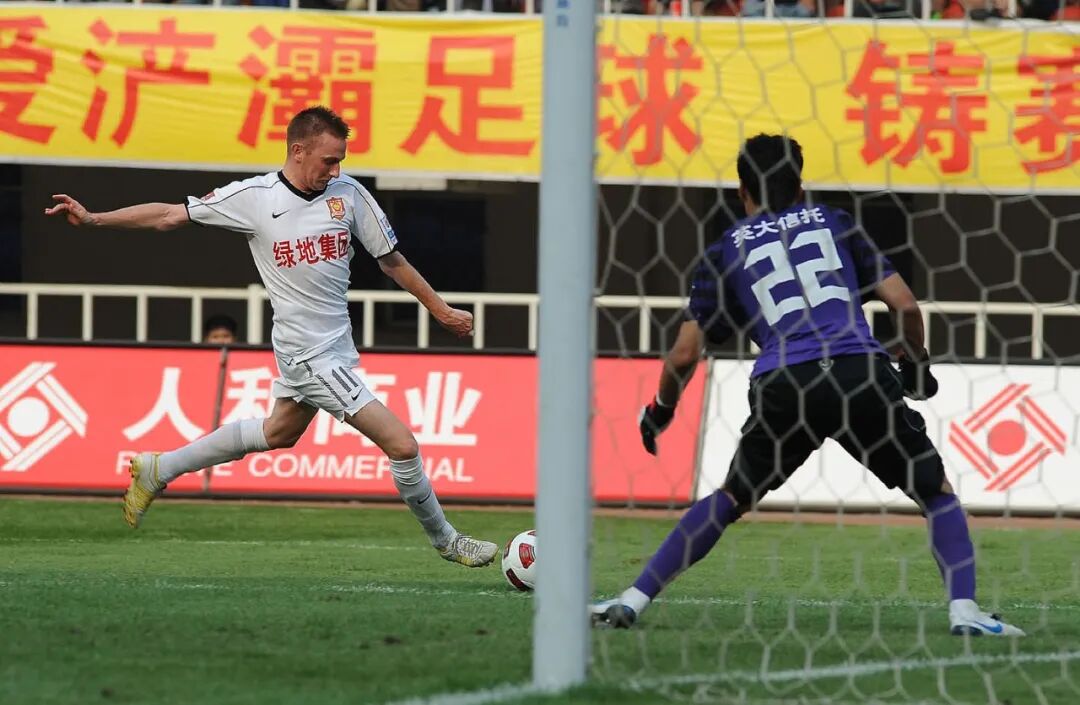
The most famous "relocated club" in the history of Chinese professional football leagues is Shanghai International (formerly Shanghai Zhongyuan). Its city derbies with Shenhua are still fondly remembered by fans. After moving to Xi'an, it received strong support from leaders in Shaanxi, Xi'an, and the Chanba Development Zone, remaining a powerful force in Chinese football. Later, due to changes in personnel among relevant parties, the supportive policies ceased. The club then relocated from Xi'an to Guiyang, Guizhou, renamed Guizhou Renhe, and secured sponsorship from Guizhou Moutai under local government support, winning the CFA Cup and qualifying for the AFC Champions League. Subsequently, due to adjustments in local policies, the club faced a survival crisis and moved from Guiyang to Beijing, becoming Beijing Renhe. Without policy support and a sense of belonging in Beijing, the club declined from the Chinese Super League to the second and third tiers before dissolving, leaving only regret and sighs.
Currently, Shenzhen New Peng City appears to be a relatively stable case after relocation. Sichuan Jiuniu, which promoted to the Chinese Super League in the 2023 season, relocated to Shenzhen in early 2024 and was renamed Shenzhen New Peng City. This "outsider" initially faced significant pressure in Shenzhen, narrowly avoiding relegation in both the 2024 and 2025 seasons. In October 2025, the Shenzhen Culture, Radio, Television, Tourism, and Sports Bureau announced the first batch of proposed funding projects for the Shenzhen Sports Industry Special Fund in 2025. Shenzhen New Peng City, due to its successful relegation avoidance in the 2024 Chinese Super League season, received policy funding of 17.5 million yuan.
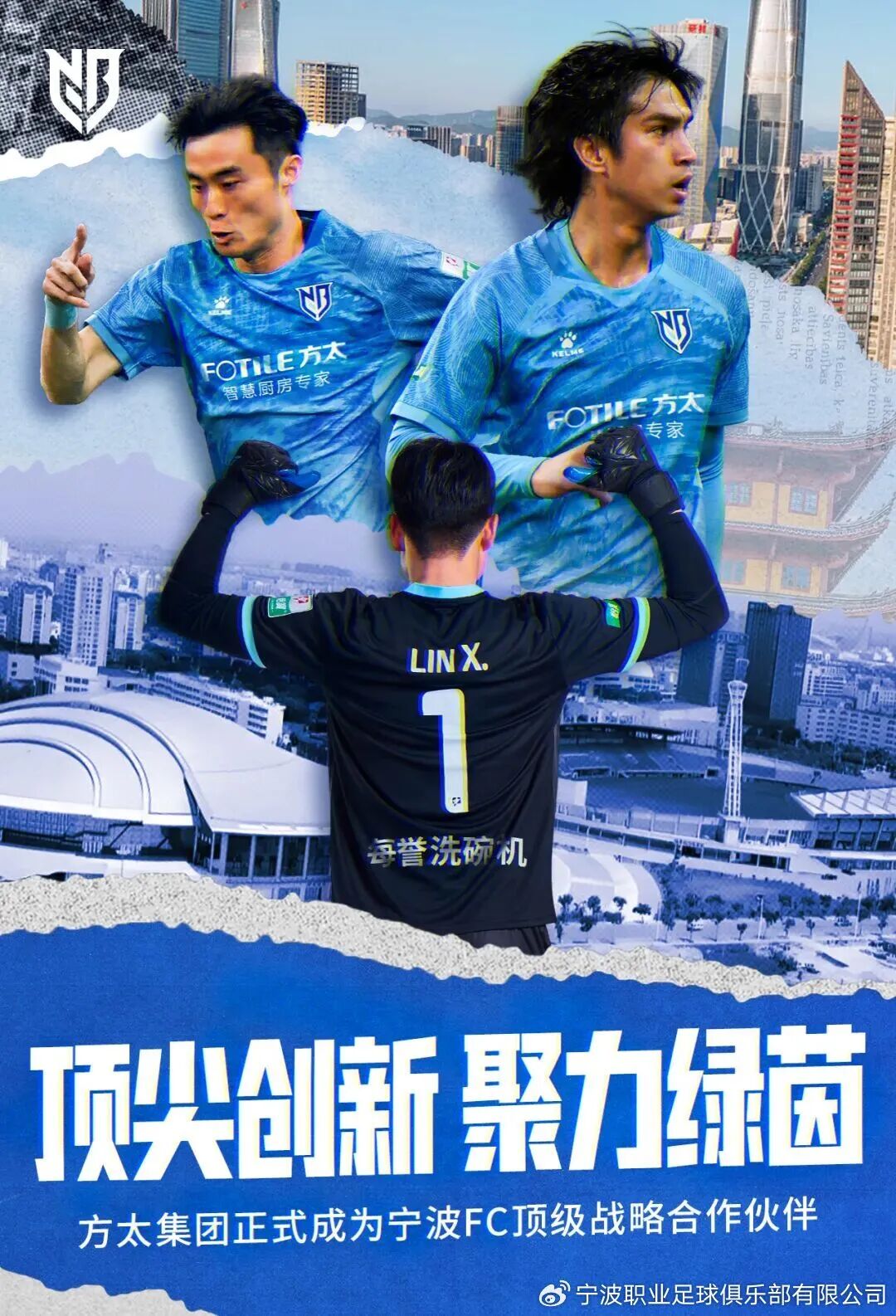
The former Shanghai Jiading Huilong, which moved from Shanghai to Ningbo, Zhejiang this season, also encountered severe challenges initially. However, with support from the Ningbo government, the situation is now improving. On April 2, Ningbo Professional Football Club officially announced a strategic cooperation agreement with Fangtai Group, establishing a top-tier strategic partnership. Fangtai Group also became the exclusive sponsor for the club's first-team match jersey advertising. This is reportedly a result of recent coordination by the Ningbo municipal government, demonstrating strong support from the local enterprise Fangtai Group for Ningbo Professional Football Club. Nevertheless, after losing 2-3 to Wuxi Wugou in its first home game on April 4, Ningbo team suffered three consecutive defeats at the start of the second-tier league season.
In this interview, executives and head coaches from multiple clubs summarized key points for professional football clubs relocating: First, local government support methods for professional football clubs should be formalized into government documents and policies, ensuring that support policies do not change due to shifts in local leadership. Second, financial policies and preferential conditions for professional clubs should not remain verbal promises but must be implemented in government documents, as seen in cities like Shenzhen and Guangzhou which have funding policy documents supporting professional clubs. Third, given the generally weak self-sustaining and commercial operational capabilities of current professional football clubs, relocated clubs need local governments to not only assist initially but also provide ongoing support. This includes playing an organizational and bridging role in club equity reforms and sponsorship, ensuring these efforts are concretely realized.


Wonderfulshortvideo
Ganglion cyst removed


max dowman highlights today max downman vs mansfield town arsenal 2-1 mansfield town
User SportScoop has posted a video.
scott mctominay aura scott mctominay pictures mctominay edit
yamal goal today yamal highlights today yamal instagram story yamal ig barceona 1-0 athletic club
How many of the current England squad could reach 100 caps?
Zidane highlights zidane edit zidane real madrid
 Links
Links
 Contact
Address:UNIT 1804 SOUTH BANK TOWER, 55 UPPER GROUND,LONDON ENGLAND SE1 9E
Number:+85259695367
E-mali:[email protected]
 App
App


