



Sinner: Losing to Djokovic is not shameful; Doha was just for finding form, followed by intense training with only one day of rest.



From narrowly losing and stopping at the semifinals at the Australian Open to being upset and exiting early in Doha, Sinner did not sink into despair. Instead, he achieved the most remarkable rebound at Indian Wells and Miami, coming within just one step of reclaiming the world No. 1 ranking.
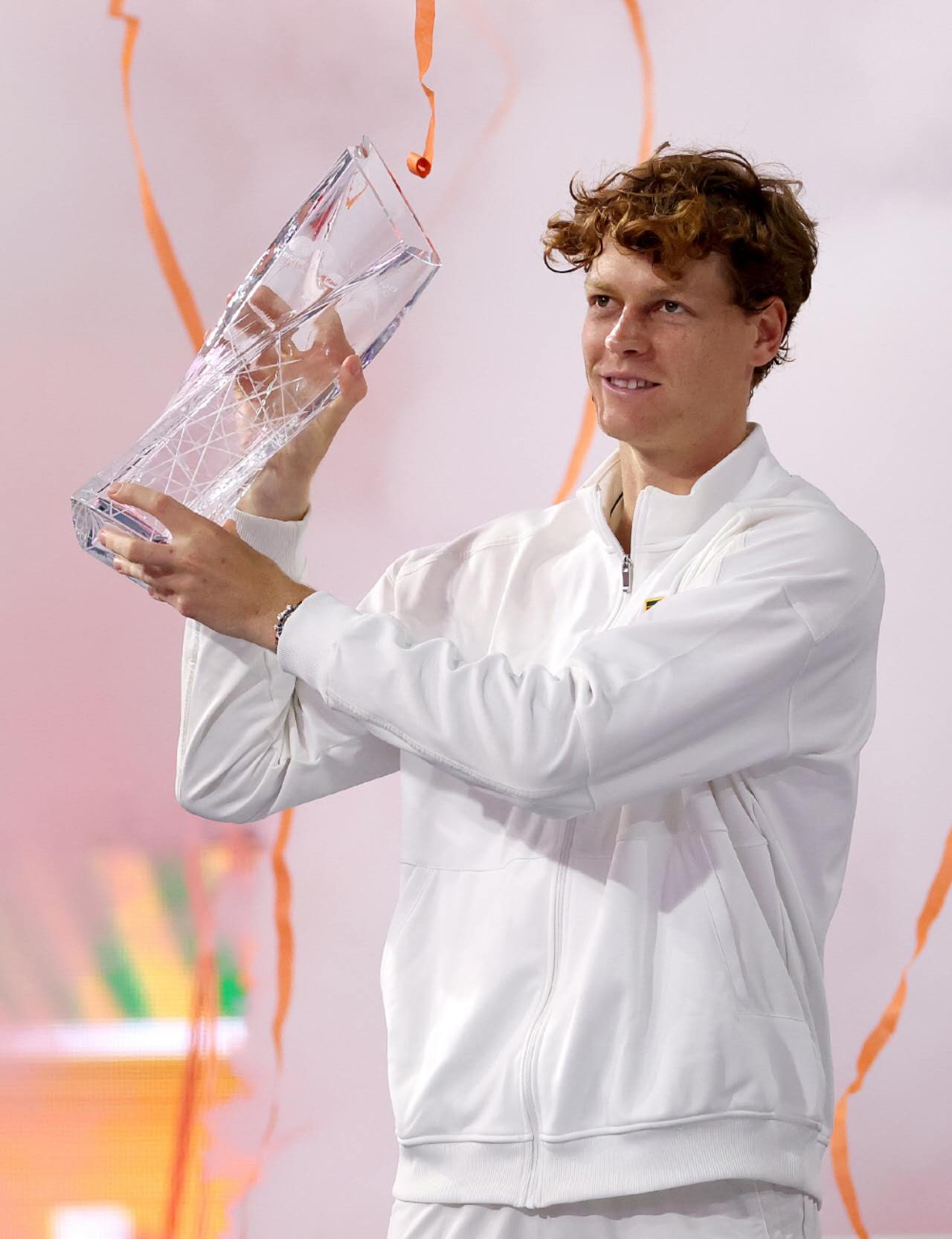
In the recently concluded Miami Masters final, Sinner powerfully countered external doubts with a championship trophy. After the match, when asked about "how to overcome the setbacks at the Australian Open and Doha," Sinner discussed his psychological adjustments and the hard efforts made to regain his form.
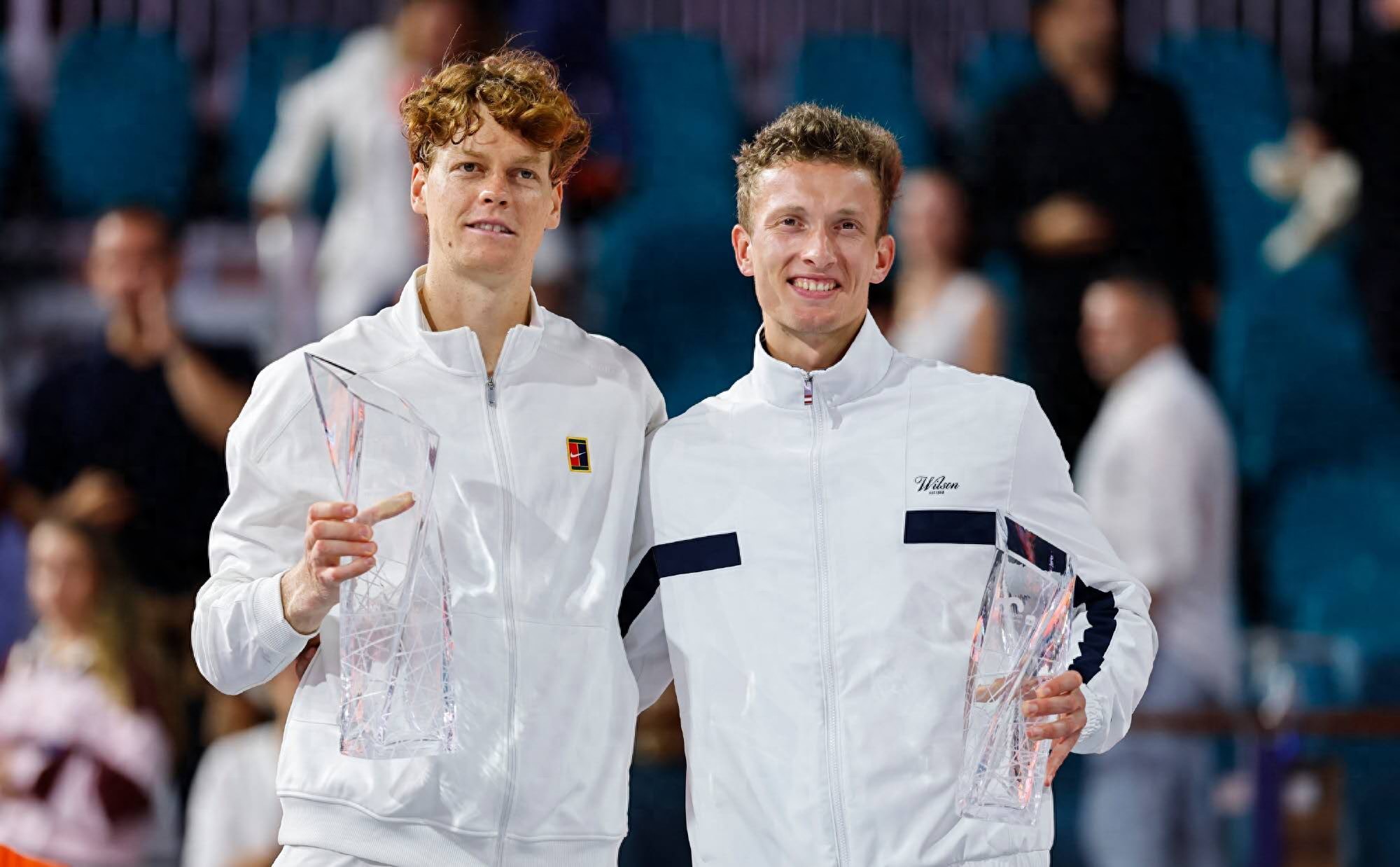
Looking back to the beginning of the year at the Australian Open, Sinner advanced through rounds to reach the semifinals, ultimately losing in five sets to Serbian superstar Novak Djokovic. Subsequently in Doha, he also failed to reach the end. Two losses, two different feelings, but Sinner's approach was remarkably calm.
“I am not someone who overestimates myself when winning or undervalues myself when losing, because that would be unfair to myself,” Sinner said in the interview, speaking slowly but with each word carrying weight. He detailed the different nature of the two losses: “What I do is honestly face myself, telling myself that reaching the semifinals of a Grand Slam is already a great achievement. You can lose to Novak; he is the greatest player in history. The situation in Doha was different; although it wasn't the highest-level tournament, I went there aiming to win, but more importantly, to find my best tennis in the matches.”
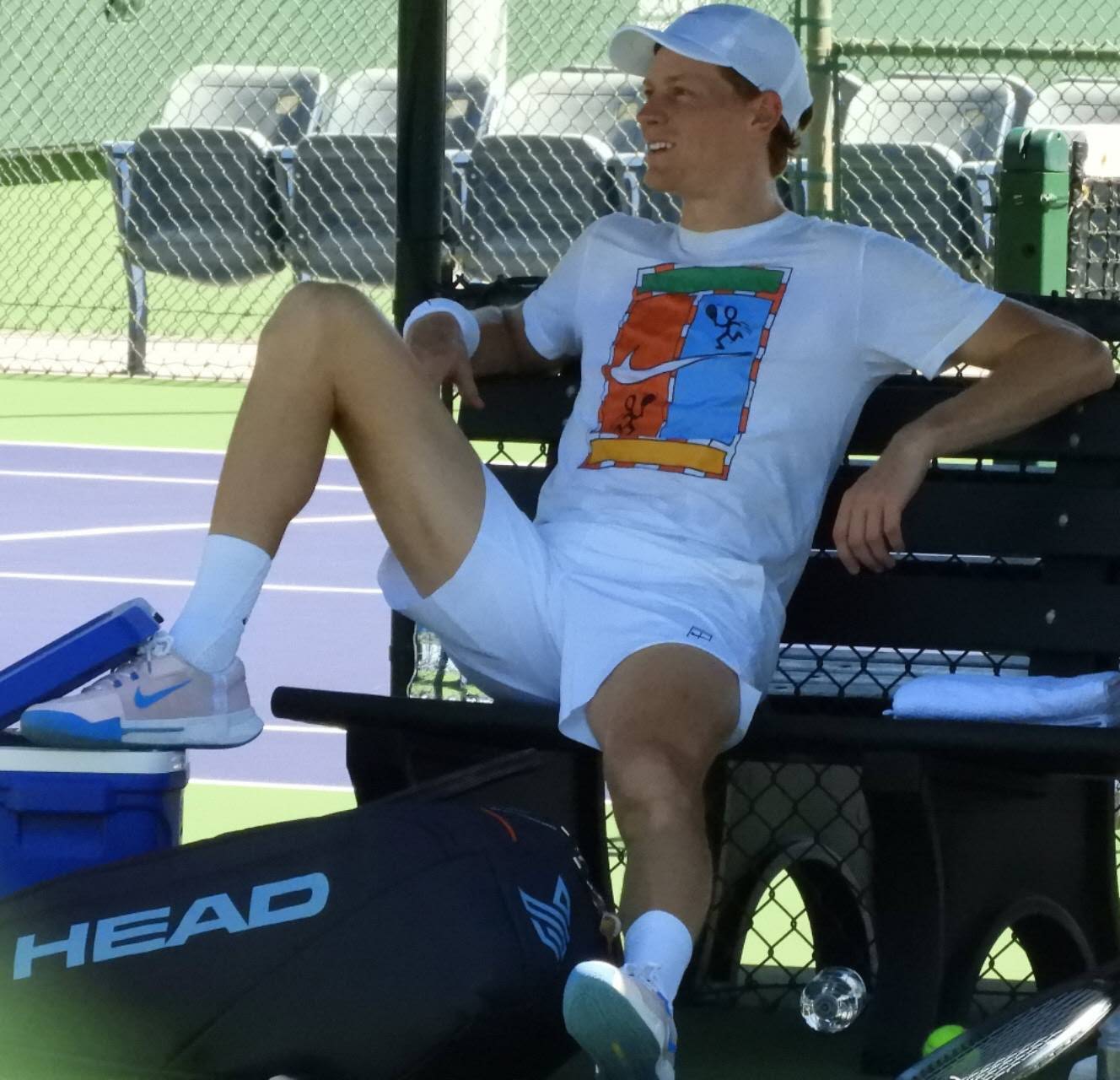
“After returning from Doha, the weather in Monaco was poor, so I decided to go to Indian Wells early,” Sinner recalled. This seemingly passive decision eventually turned into an intense period of self-improvement.
The numbers he provided surprised the journalists present: “Looking back at these five weeks, I only rested for one day before Indian Wells. After arriving here, there was only one day I didn't touch a ball because of rain. I underwent extensive training over this month-plus.”
Five weeks, only one day of rest, and the only day without touching a ball was due to bad weather. Such training intensity is uncommon in today's tour.

Regarding this, former French Open champion and commentator Mats Wilander expressed deep感慨: “I have seen many talented young players who, after losing a few matches, also say ‘I will go back and train hard,’ but truly being able to act like Sinner—changing plans early, actively increasing training volume, resting only one day in a month—is extremely rare. Talent determines the上限, discipline determines the下限, and Sinner's下限 has been pushed very high by himself.”
When asked what pleased him most about this rebound, Sinner said: “Being able to achieve such results now, I am not only happy about the outcome but also satisfied with my performance on the court.”
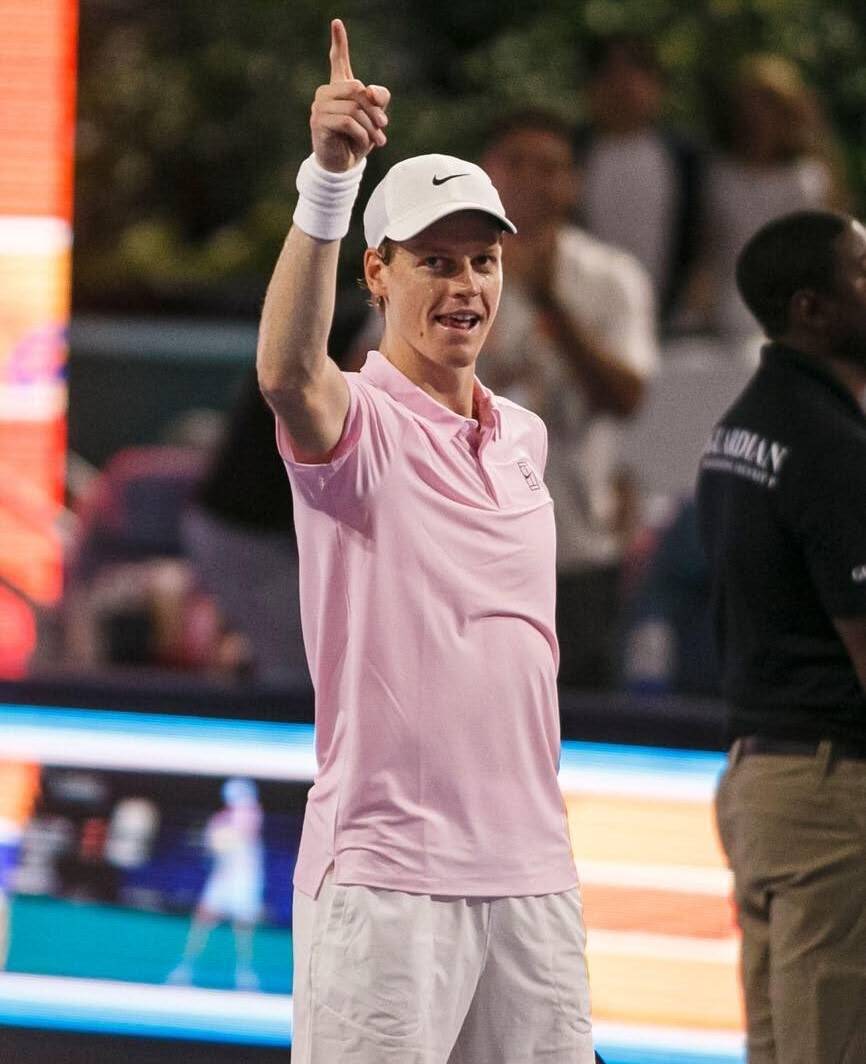
Regarding Sinner's remarks, on social media, a user @RogerFan42 commented: “Some players say ‘I didn't play badly, just unlucky’ when losing, and ‘I knew I could do it’ when winning. Sinner's stable attitude of ‘not getting carried away when winning, not belittling himself when losing’ is truly uncommon.”
Of course, some fans analyzed his training approach from a more practical perspective. User @stats_nerd_tennis presented a set of data: “Resting only one day in a month means about 29 days of training out of 30. Assuming at least 4 hours of on-court training and 2 hours of physical training per day, that's over 170 hours of net投入. Tennis is not metaphysics; whoever trains more gains one more stable shot at critical moments.”
American tennis legend Andy Roddick specifically mentioned Sinner on his podcast: “I like his statement ‘losing to Novak is acceptable.’ Young players are often taught ‘never accept failure,’ but Sinner tells you: you need to distinguish between ‘acceptable losses’ and ‘unacceptable performances.’ The former maintains your confidence, the latter drives your progress. This is a very mature psychological model.”
Sinner's story is actually not complicated. He did not invent any new training methods nor suddenly gain super abilities. He simply did the most朴素, yet最容易被现代人忽略的事—honestly facing himself, then acting day after day. This rebound is not a miracle but accumulation. As one user stated: “Sinner makes me believe that if you truly want to do something well, first stop deceiving yourself, then start acting. A month later, you will thank yourself today.”
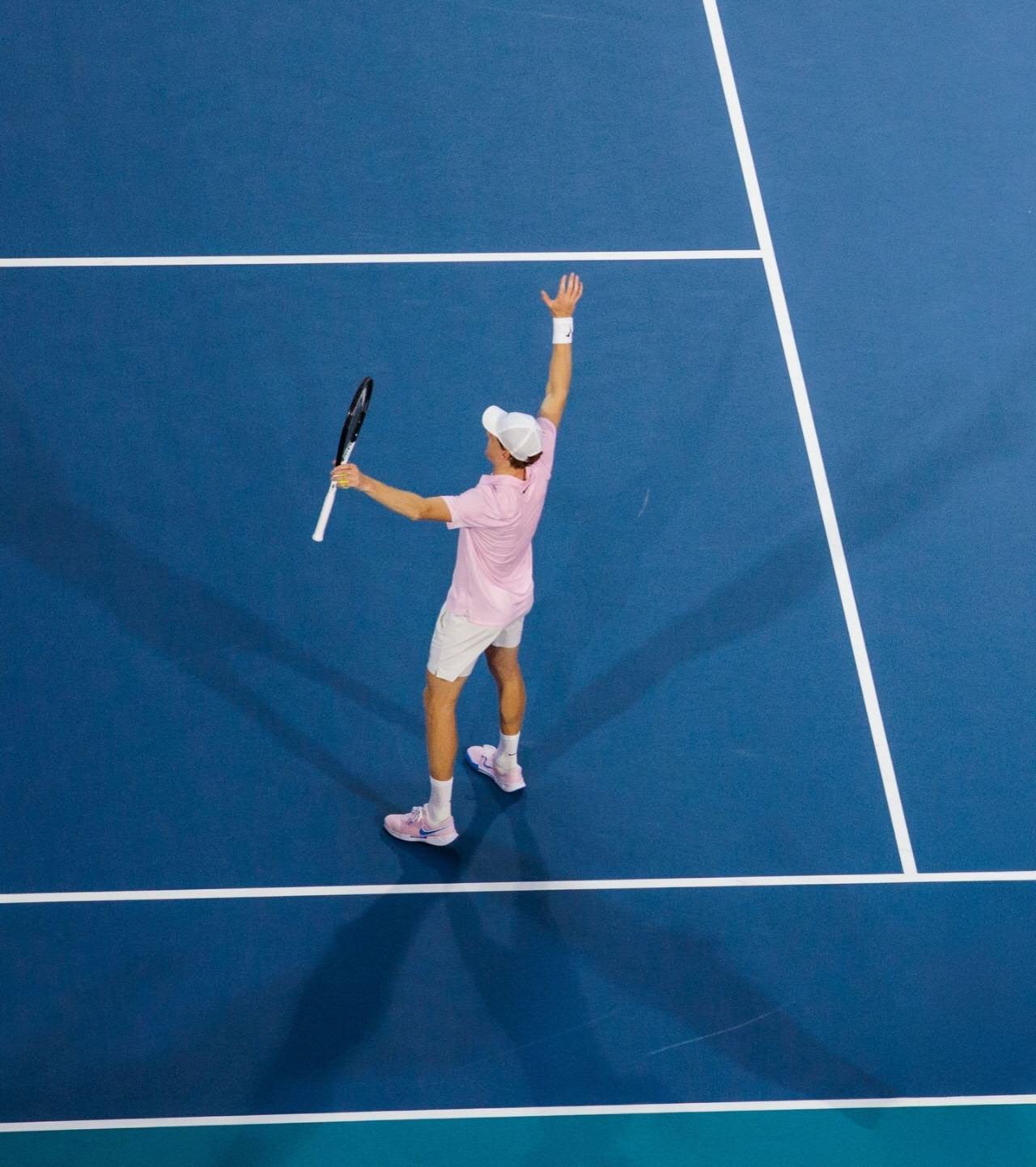
For Sinner, this tournament's championship might just be a comma in a long career. But what truly matters is that he has found his own sustainable path of advancement—unwavering whether winning or losing; on the road whether sunny or rainy.(Source: Tennis Home Author: Lu Xiaotian)

 Links
Links
 Contact
Address:UNIT 1804 SOUTH BANK TOWER, 55 UPPER GROUND,LONDON ENGLAND SE1 9E
Number:+85259695367
E-mali:[email protected]
 App
App


