



Alcaraz faces his first hurdle of the season, former British star warns: Overplaying is draining the talent.


At the start of the 2026 season, Alcaraz once made the entire tennis world take notice. A 16-match winning streak, claiming titles at both the Australian Open and Doha, seemed to declare to the world that no one could stop the Spanish young star's advance. However, the recently concluded North American Sunshine Double delivered a cold slap to this Spanish talent: a semifinal upset loss to Medvedev in Indian Wells and a third-round defeat to American Korda in Miami, instantly casting a shadow over the previous soaring confidence.
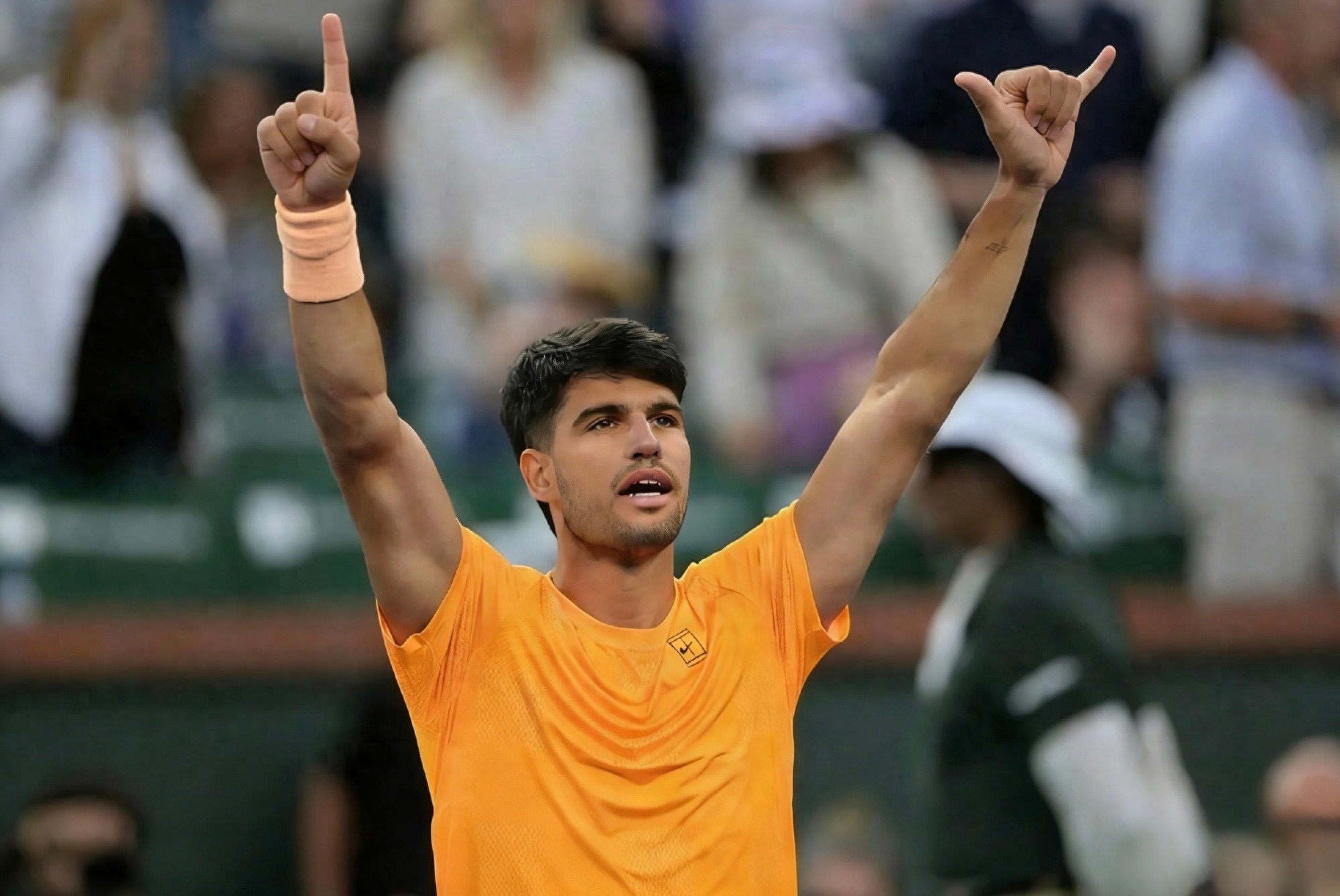
What caused Alcaraz's form to plummet so sharply? Former British tennis star and veteran commentator Greg Rusedski gave a straightforward answer in his latest blog: playing too many matches.
Analyzing Alcaraz's current predicament, Rusedski pinpointed the root of the problem—a severely unbalanced schedule.“Alcaraz might have overdone it with consecutive tournaments at the moment,” Rusedski stated in an interview. “If you look back to the end of 2025, he hardly had any proper off-season preparation.”
In fact, the Spaniard's grueling schedule had long planted risks. During the 2025 off-season, he traveled to the U.S. for multiple exhibition matches; then, before the Australian Open, he went to Korea for commercial events combined with exhibition matches; right after the Australian Open came the Doha tournament. Rusedski noted: “The result is: he has been playing non-stop for months, always going full throttle. At this pace, even the top players can struggle to sustain it.”
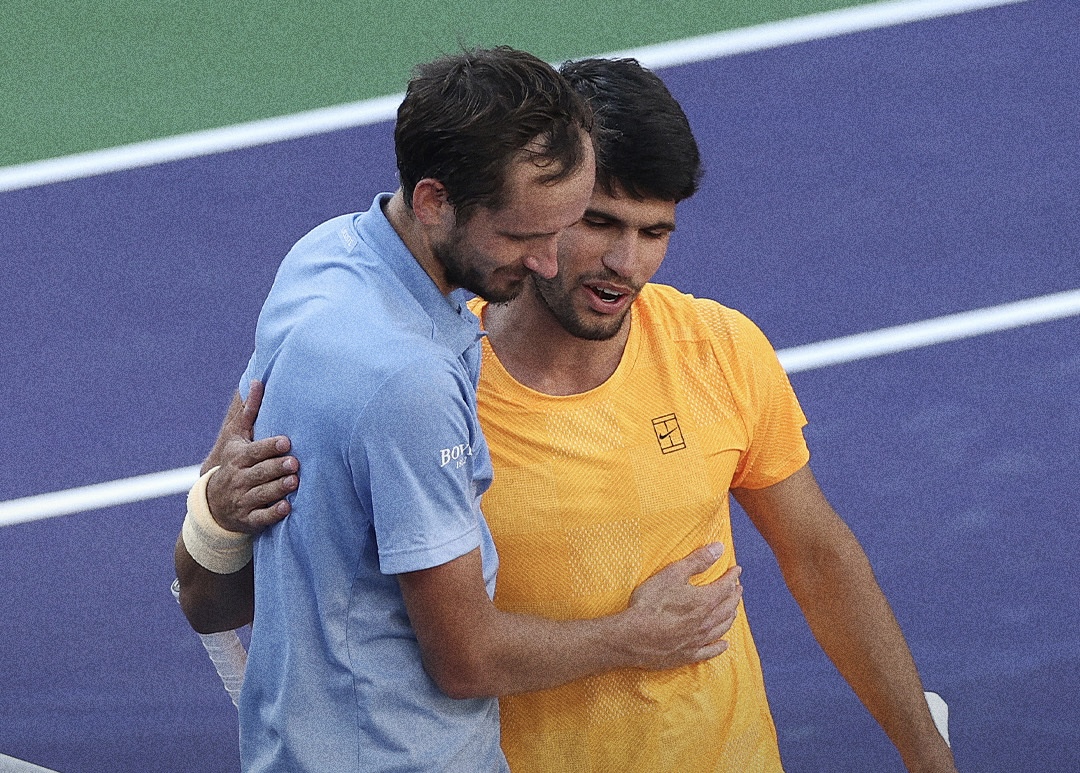
From the data perspective, Alcaraz's performance in the Sunshine Double was indeed shocking. In the Indian Wells semifinal against Medvedev, who was regaining form, the Spaniard was passive throughout; his once-prided explosive power and movement coverage noticeably declined. Moving to Miami, he was eliminated in his second match by Korda, who has been performing well recently. Two matches, two fatal setbacks—this isn't a technical issue but a clear signal of depleted physical reserves and waning mental focus.
Rusedski particularly emphasized Alcaraz's excessive enthusiasm for exhibition matches, considering it a key factor in his decline.“In my view, Carlos has played too many exhibition matches. Even in December, not the peak season, the body doesn't differentiate. He needs genuine recovery periods.”
This remark highlights a core issue in professional tennis: top players' bodies are not machines; year-round high-intensity competition inevitably comes at a cost. Exhibition matches may not count for official ranking points, but the hitting intensity and physical toll are no less than tour events. More importantly, these matches eat up precious time that should be used for recovery and off-season training.
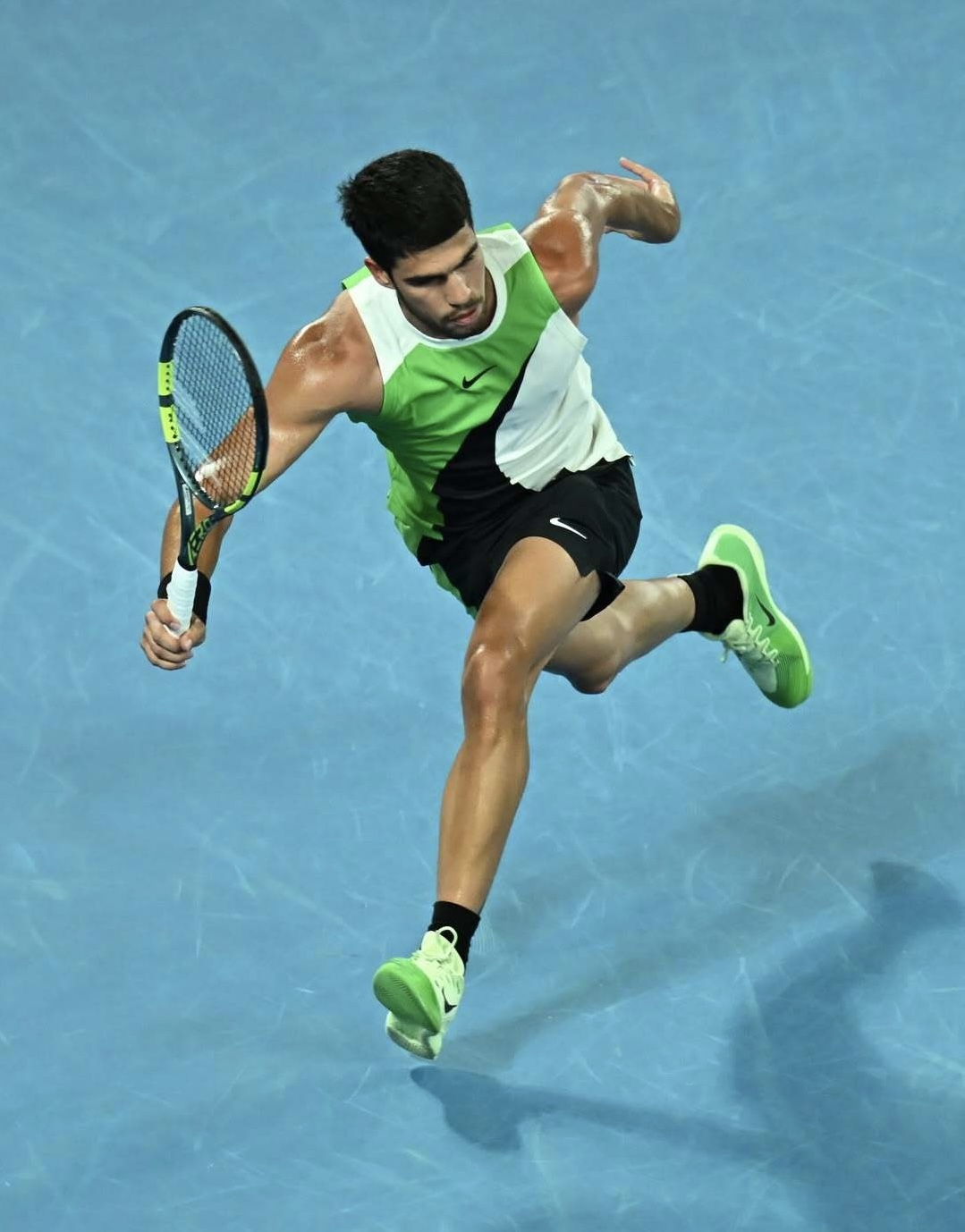
When a player is crossing time zones for commercial exhibitions even before the Australian Open, his body rhythm and training cycles are completely disrupted. By mid-season, this透支 will manifest in the cruelest way—physical energy failing at critical moments, focus slipping at crucial junctures.
In contrast, Rusedski holds Federer up as a textbook example of schedule management:“We all know maintaining peak form week after week on the professional tour is extremely demanding. In this regard, Federer is the model. That's why he could sustain top-level play for so long. He meticulously selected which tournaments to play.”
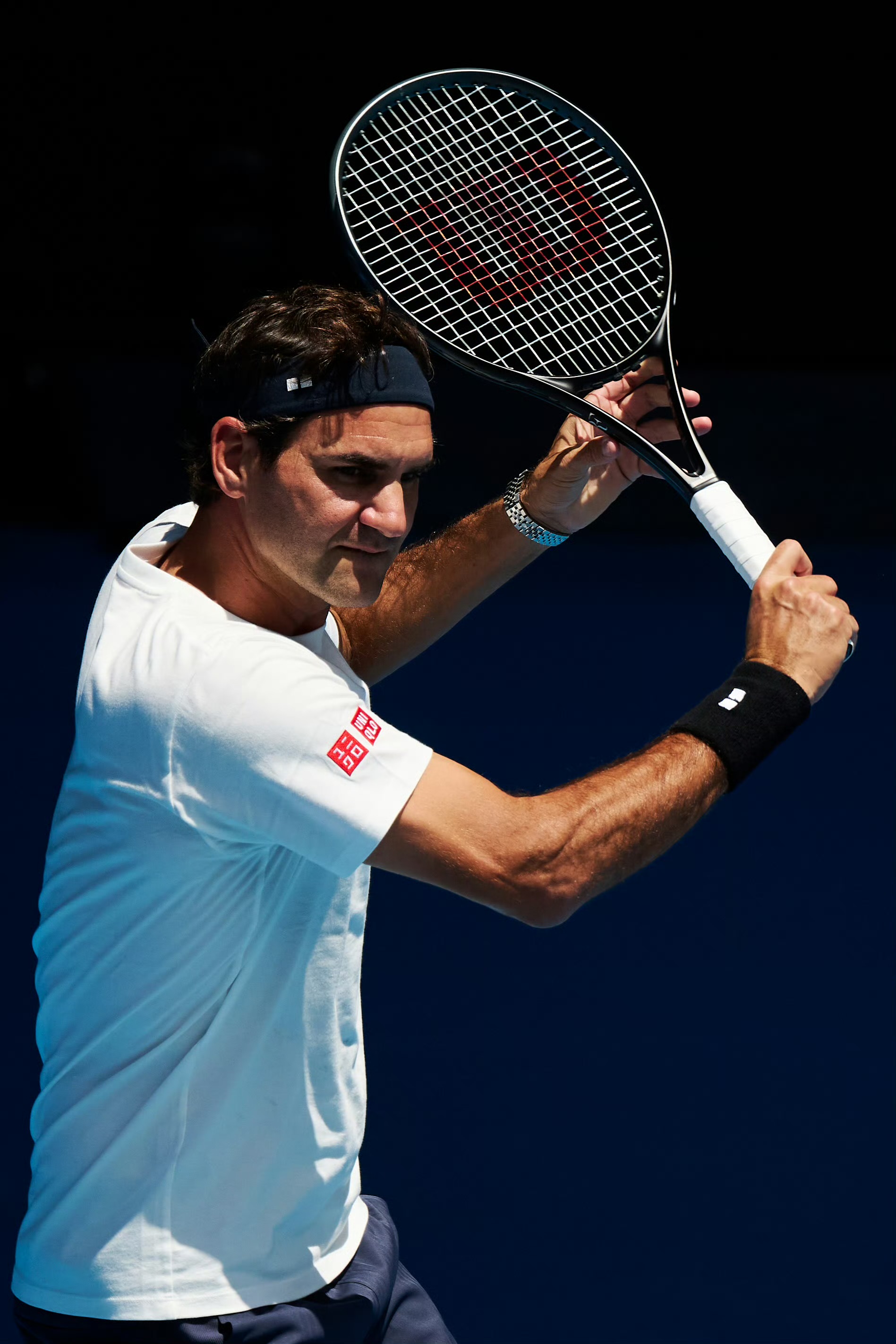
Federer's career is synonymous with longevity—winning four Grand Slam titles after age 30 and retiring only at 41. The secret lies not only in his all-around and elegant technique but also in extreme discipline regarding his schedule. The Swiss would voluntarily skip multiple tournaments each year, even some Masters events, just to ensure he could appear at Grand Slams with 100% form. He understood that true champions don't prove themselves at every tournament but deliver their best at the most critical moments.
Rusedski also cited his own experience: “For example, myself, I played about 12 tournaments a season and won quite a few of them. I entered every major event fresh.”
In comparison, although Alcaraz racked up a 16-match winning streak early in the year, it came at the cost of depleting reserves for the coming months. The collapse at the Sunshine Double is precisely the inevitable outcome of such a透支-forward schedule.
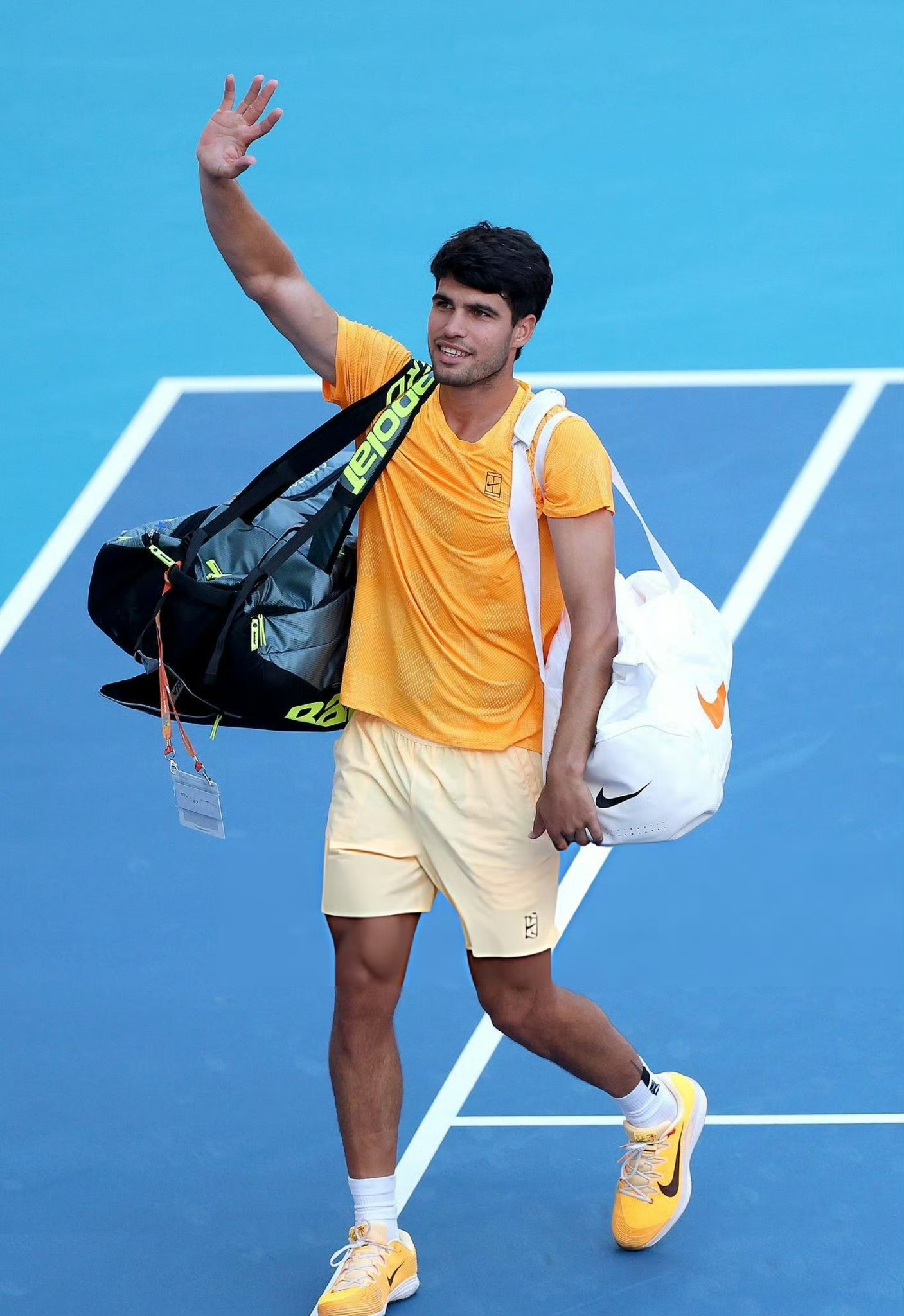
Rusedski concluded with a sharp analogy pointing out the severity: “No matter how high the talent, if your level drops by 2 or 3%, you pay immediately. Players like Fils can close in on him. And Medvedev who beat him in Indian Wells, or Korda performing well recently. At key moments, Carlos sometimes lacks freshness and sharpness.”
This reveals the brutal rule of professional tennis—at the top level, a tiny gap makes a world of difference. When Alcaraz competes at 100%, he can defeat any opponent; but when his physical reserves are only at 95%, opponents who previously posed no threat suddenly become dangerous. Fils, Medvedev, Korda—these names have become witnesses to Alcaraz's困境.
Alcaraz is only 22 this year; his talent is undeniable. Seven Grand Slam titles have already proven he possesses all the qualities to become a legend. But talent is never a get-out-of-jail-free card. From Nadal's injury struggles to Murray's difficult comeback, tennis history has seen too many talents shorten their peak periods due to overexertion.
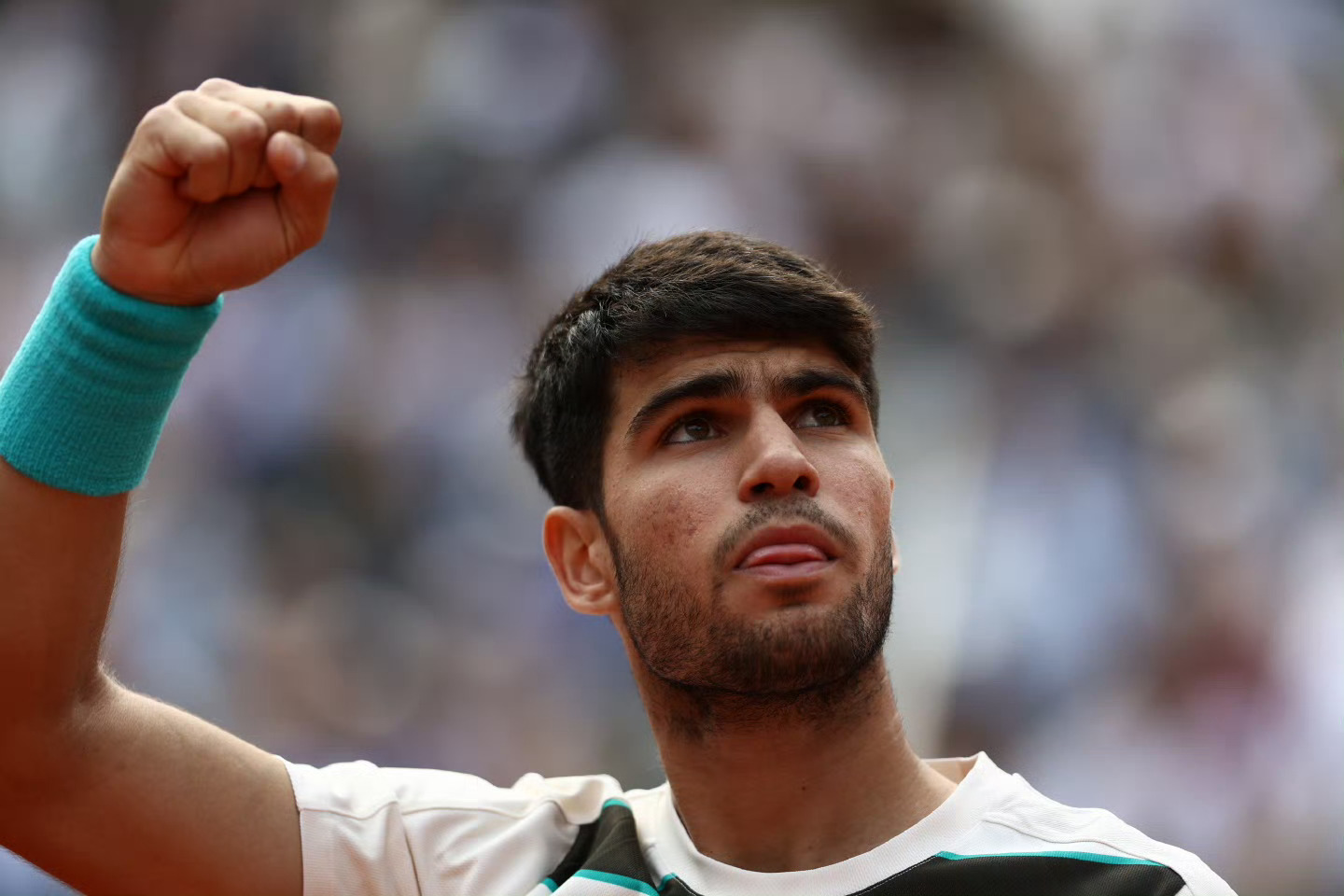
Rusedski's advice deserves deep reflection from Alcaraz's team: true greatness isn't about playing every event, but about playing the best tennis at the right time. Federer's over-20-year career demonstrated the wisdom of “less is more.” For Alcaraz, this current setback might be a valuable wake-up call—sometimes, stepping back allows you to leap farther.
The 2026 season is still long; Roland-Garros, Wimbledon, and the U.S. Open await ahead. Can Alcaraz emerge from the shadow of the Sunshine Double and rediscover his invincible self? The answer may not lie in playing more matches, but in the courage to stop and rest.(Source: Tennis Home Author: Mei)

 Links
Links
 Contact
Address:UNIT 1804 SOUTH BANK TOWER, 55 UPPER GROUND,LONDON ENGLAND SE1 9E
Number:+85259695367
E-mali:[email protected]
 App
App


