



The Myth of Ranking Games: When the Discussion of "World No. 1" Loses Its Meaning


The scent of clay once again permeates the air of the tennis world. At this point in the season, a group of fans eagerly grab their calculators, clicking away to compute scores—who will ascend to world No. 1 after Roland Garros, who will lose points at which Masters event, and how many points separate one player from another. This almost ritualistic "score-calculating exercise" repeats year after year, as if the entire meaning of the tennis world hinges on the fluctuations of those numbers. But does this discussion truly hold any significance?
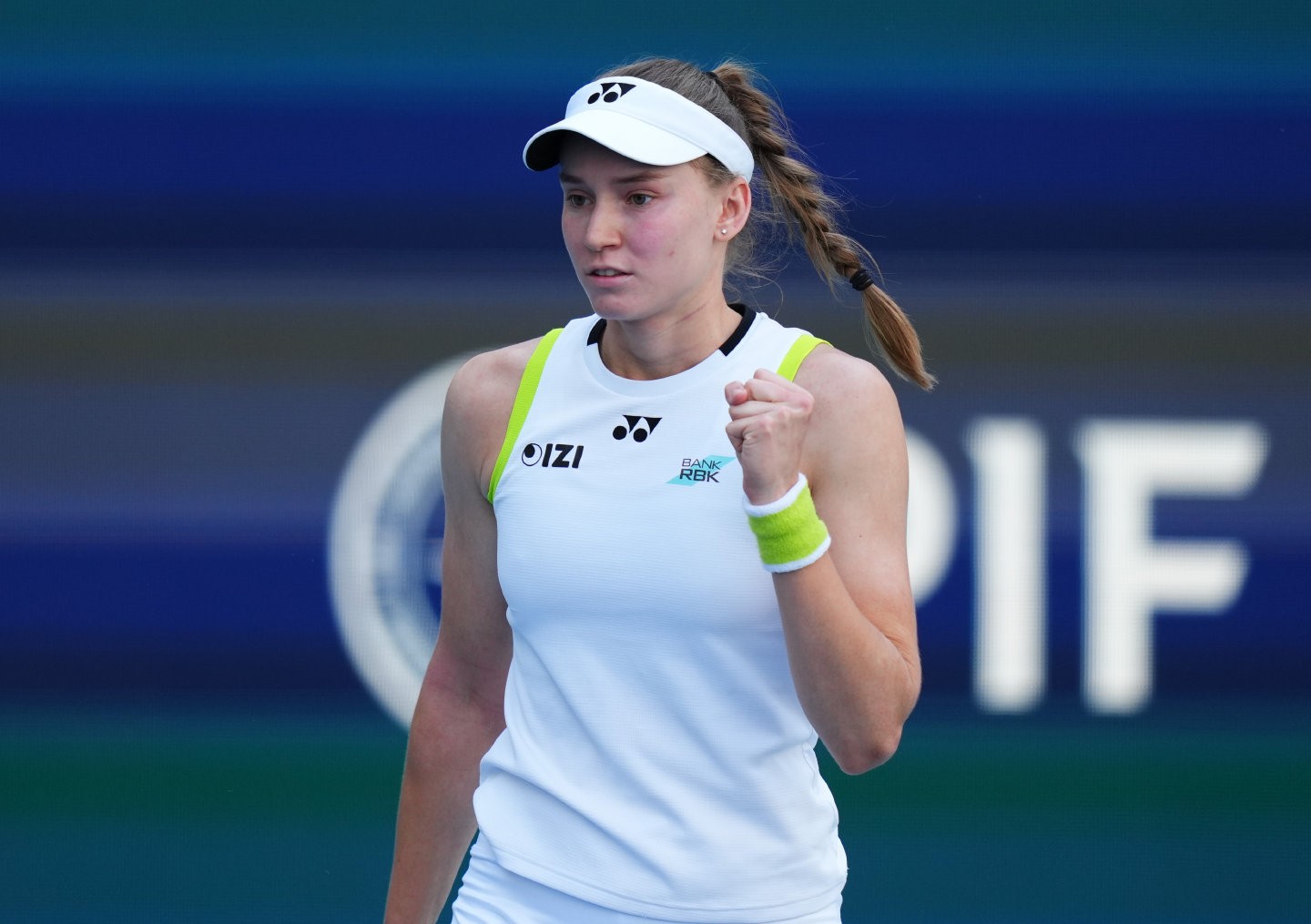
We need to clarify a fundamental value judgment: For players who have never reached the world No. 1 spot, striving for the top position is certainly worthy of extensive coverage. It represents a breakthrough in their careers, the fruit of talent and hard work, and a milestone worth remembering. For instance, on the WTA tour, Elena Rybakina has an opportunity to challenge for world No. 1 this year—the Kazakh player holds titles from the Australian Open and Wimbledon, her prowess on hard courts and grass is undeniable. If she can win Roland Garros and collect Grand Slam titles on three different surfaces, reaching a new career peak, this undoubtedly becomes a noteworthy storyline. Because she would be crossing a threshold she has never crossed before.
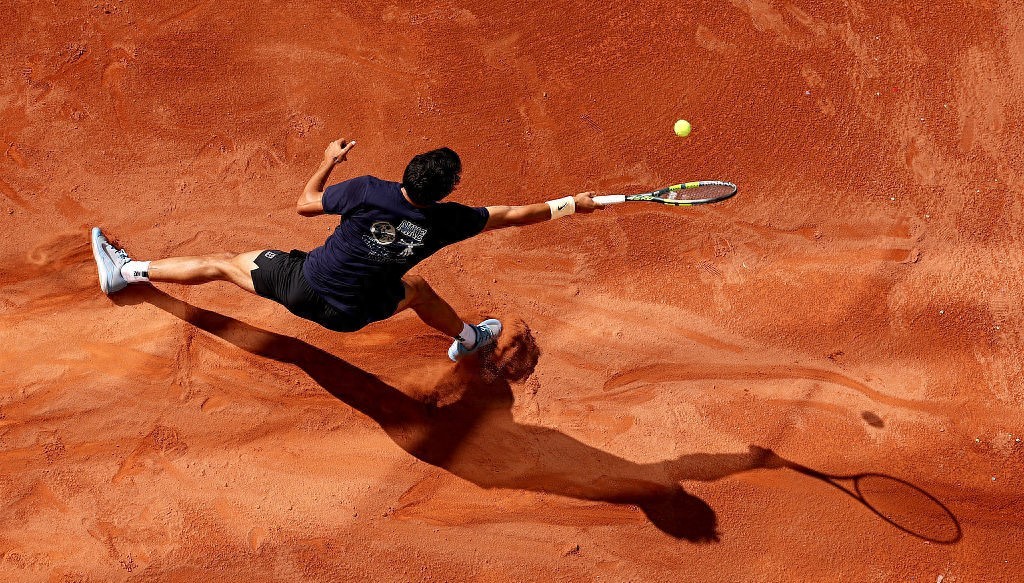
However, the issue lies in the current ATP discussions regarding the "king's throne" between Carlos Alcaraz and Jannik Sinner, which have veered into a completely different direction—one that is utterly tedious and devoid of novelty. Why is this discussion meaningless? Because both players have already been world No. 1. Alcaraz became the youngest ATP world No. 1 after the 2022 US Open, and Sinner also ascended to the top for the first time in June 2024. They have already secured that most precious "entry ticket," proving with solid achievements that they can stand at the pinnacle of the pyramid. Thereafter, the alternating rankings between them are merely a numbers game—you're No. 1 this week, I'm No. 1 next week, essentially no different in substance.
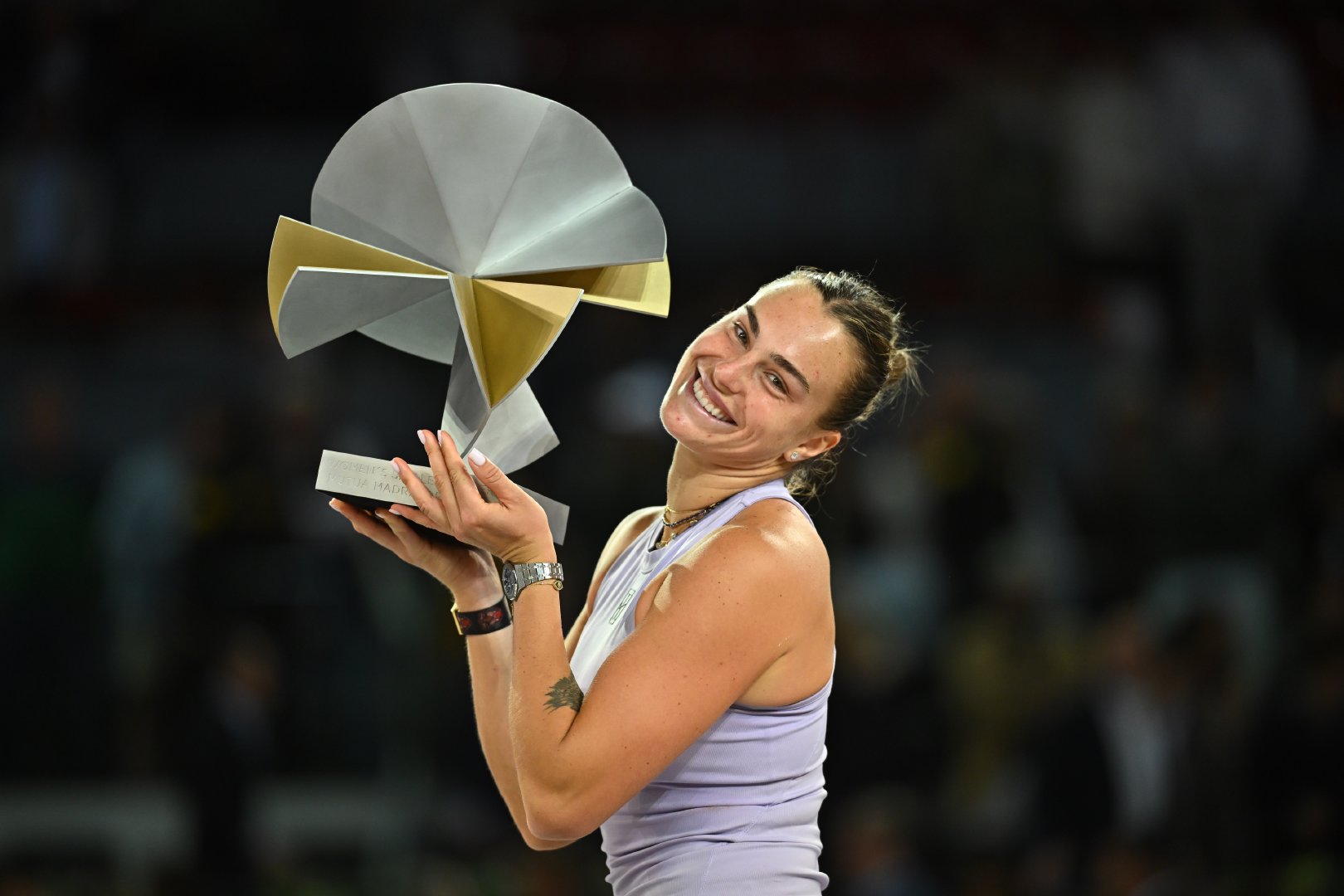
To draw an analogy, this is like two students who have already been admitted to Tsinghua University, yet you insist on arguing over who ranked first in a mock exam. Does it make sense? They have already demonstrated the same level of excellence; who stays in that position for a few more weeks is merely the result of combined factors like scheduling, points defense pressure, or even draw luck. What truly deserves attention is their evolution in technique and tactics on court, growth in mental resilience, and ability to compete for Grand Slam titles—these are the criteria that measure the true value of a champion player.
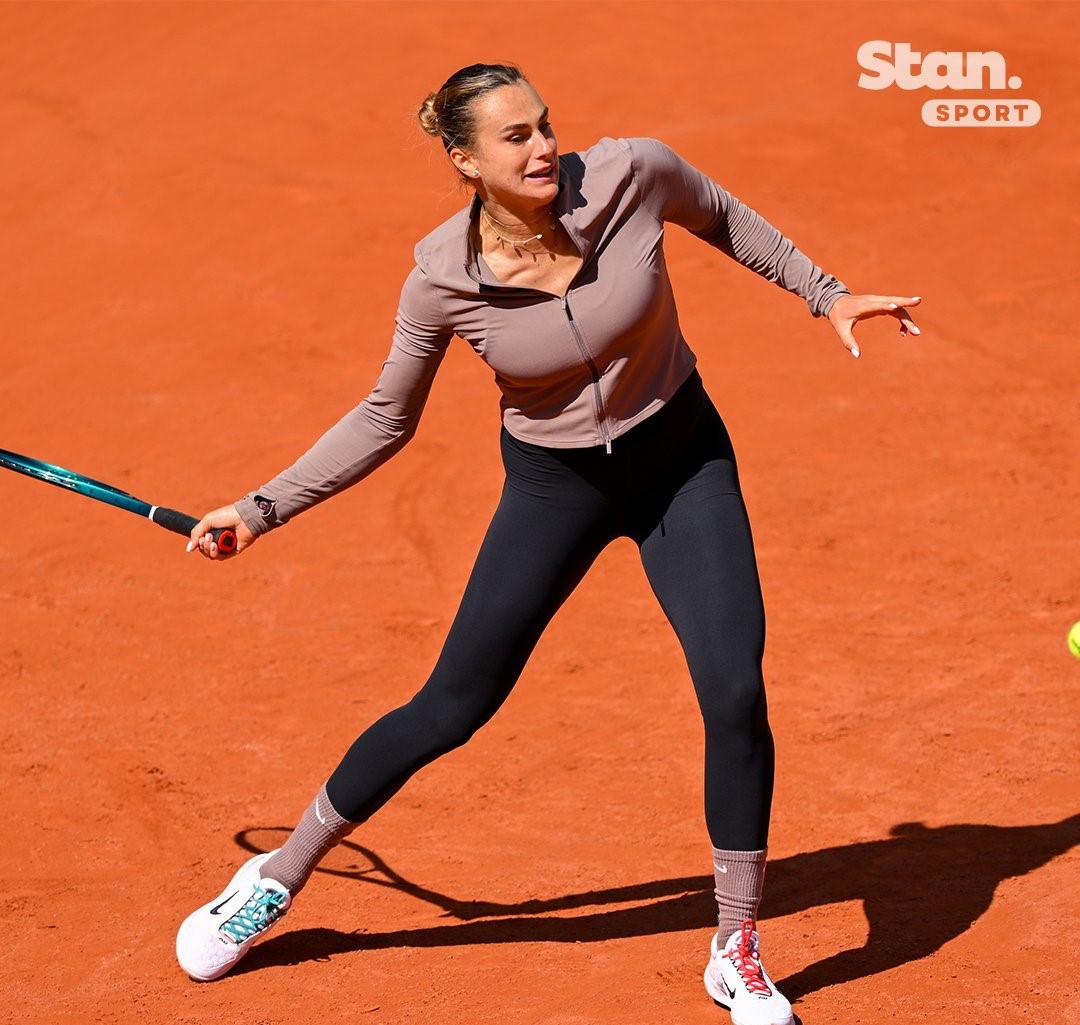
What's even more exhausting is the repetitiveness of this discussion. Every clay season, every hard court season, every grass season, the same voices emerge: "If A wins this tournament, he can overtake B to become world No. 1," "If B fails to defend his title, C gets an opportunity." Doesn't it sound like an old record playing repeatedly? The content lacks novelty, the form remains unchanged, yet participating fans relish it endlessly. This discussion has turned into a habit, a mental laziness—unwilling to discover new narratives, unwilling to understand the deeper charm of tennis, thus retreating to the simplest numerical comparisons, using ranking fluctuations to create illusory "drama."

As discerning fans, we should direct our attention toward more valuable directions. What are valuable directions? First, focus on players' technical and tactical evolution. How has Alcaraz adjusted his sliding backhand down the line on clay last year? Has Sinner's ability to change direction with his backhand further improved? These are the keys determining the heights of their careers. Second, focus on the rise of the younger generation. Mensik, Fonseca, Shang Juncheng—the potential behind these names is far more worth exploring than which of two "former world No. 1s" holds a higher ranking. Third, focus on the aesthetic value of tennis itself. The psychological battles in a five-set marathon, the tactical shifts within a brilliant multi-shot rally—these are the true soul of the sport.

Ultimately, rankings are merely tools, not goals. Their purpose is to help us understand a player's performance overview over a cycle, not to become the entirety of our discussion. When ranking debates turn into a pointless, repetitive, stale "war of words," they lose their value as tools and instead become obstacles that obscure our vision.

The clay season has begun. Rather than clutching calculators agonizing over whether Alcaraz or Sinner will rank higher after Madrid, it's better to turn on the TV and carefully watch their performances on court—that is where tennis truly deserves attention. After all, no one genuinely cares about changes in the world No. 1 position, especially when those changes occur between players who have already reached the summit.(Source: Tennis Home Author: Xiao Di)

 Links
Links
 Contact
Address:UNIT 1804 SOUTH BANK TOWER, 55 UPPER GROUND,LONDON ENGLAND SE1 9E
Number:+85259695367
E-mali:[email protected]
 App
App


